



Introduction
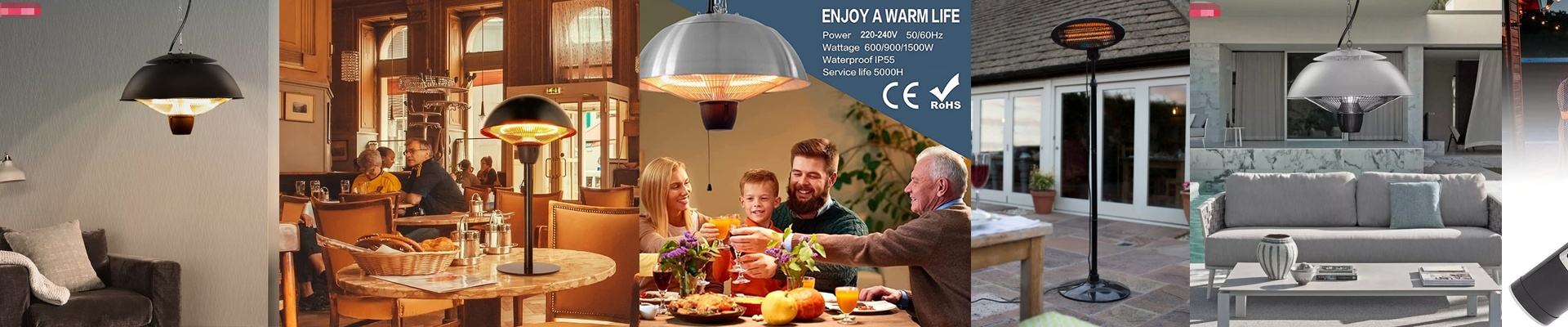
Here’s the thing about our backyard infrared heaters: they’re built to warm you, not the air around you. We’re talking direct, targeted heat that hits people and objects right where it counts. But to make that happen, the setup has to be just right. The height and angle? That’s not a suggestion—it’s the whole secret to getting the performance we designed for.
Getting the Heat Where You Want It
These heaters pack a punch—high heat density, measured in watts per square meter. That power is what decides how high you mount them. Go too low, and you end up with a tiny, scorching hot spot. It’s uncomfortable, and honestly, it can even damage surfaces. Go too high, and the heat just spreads out and thins out before it reaches you. You waste energy, and you’re still left cold. For a typical backyard setup, we recommend mounting between 2.0 and 2.8 meters high. That sweet spot gives you the right balance of coverage and real, felt warmth. And the angle? That’s your fine-tuning knob. Angle it steeper for a tighter beam. Go shallower, and you widen the spread.
What’s Inside Matters
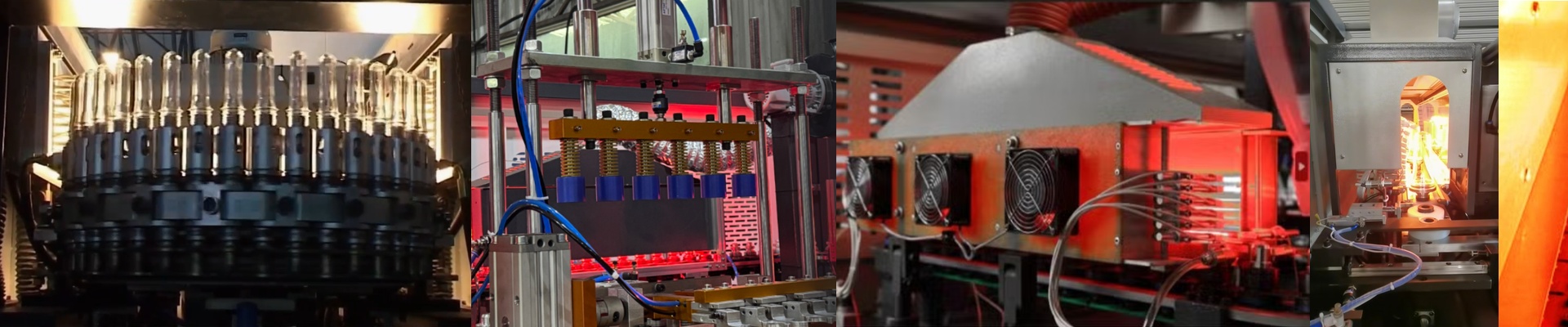
Inside, you’ve got a quartz tube wrapped around a halogen filament. Quartz handles the quick heat-up and cool-down cycles without cracking under pressure. The halogen cycle keeps the filament clean, so the heat stays steady over time. The reflector coating is focused on one thing: pushing as much infrared energy downward as possible, without wasting energy on visible light. Then there’s the connector, usually an R7s base. It’s there for a reason—quick, secure connections that hold up. It gives you a solid mechanical lock and steady electrical contact, so you don’t have to worry about hot spots forming at the connection.
What It Feels Like in Your Backyard
When it’s set up right, you feel the heat almost instantly. No waiting around. Just direct warmth, right where you need it. The install is straightforward, but yes, there’s a trade-off. Higher-wattage units deliver more heat, which means your electrical circuit needs to be up to the task, and you need enough clearance around the unit for proper heat dissipation. Stick to the height and angle specs, and you get predictable coverage, steady output, and a heater that can take whatever the weather throws at it—without burning out.