Why the Big Global Players Keep Coming Back to This Heater
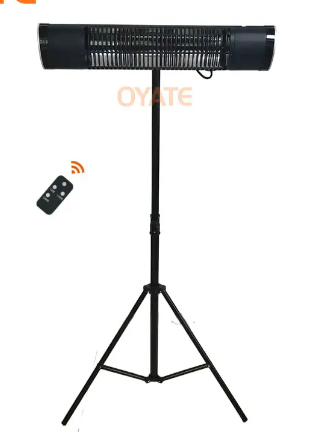
Let’s be real—big multinational brands don’t make decisions on a whim. When they choose a heater, they need something that just works, every single time. No surprises. No headaches. Our infrared baseboard heater checks those boxes. It’s built to be a global standard, not a one-off solution. It fits right into what they already have, and it clears compliance without a fight. That kind of reliability? It’s gold for a company running plants all over the world.
The Power Behind the Heat
Here’s the thing—this isn’t some temperamental heater that gives you different results from plant to plant. We built it around a high-density infrared emitter that gives you predictable, steady heat. It’s designed to handle different power systems, so whether you’re on 230V or 400V, it performs the same. The wattage matches the length, so the heat spreads evenly across the whole footprint. And the footprint? It fits right onto standard mounting rails and enclosures. You don’t have to redesign the whole space just to make room for it.
What’s Inside That Makes It So Tough
The quartz tube is coated, which helps keep the heat output stable and protects the filament from those hot spots that kill other heaters too soon. Inside, the halogen gas fill keeps the element running clean and holds steady resistance over time. No dips. No spikes. Just consistent performance. Then there’s the R7s connector. This isn’t some flashy add-on—it’s a proven industrial interface. It locks in fast, with clear polarity, and it holds up to vibration way better than a loose cap. When it’s time for a replacement, you can get it done in minutes, not hours.
Why This Setup Works So Well
This heater was born for industrial life, where uptime is everything. It heats up fast, holds the temperature without constantly cycling on and off, and gives engineers a clean, repeatable install. No custom brackets. No extra engineering. Just plug it in and go. Now, because it runs hot, you do need to make sure it has proper airflow and thermal management around it. That’s just the trade-off for that kind of power. For global brands, the CE certification and unified spec mean fewer hoops to jump through. Fewer approvals. Fewer spare parts to stock. Just one standard that works everywhere.