
When the infrared bulb in your countertop warming station starts to fade, you feel it immediately—on the plate. You get uneven results: some spots over-dried, others still cold. The steady, even glow you relied on is gone, and your service rhythm sputters. A solid replacement bulb isn’t a “nice-to-have.” It’s the quickest way to get back to consistent output and food that looks the way it should.
What matters under the hood
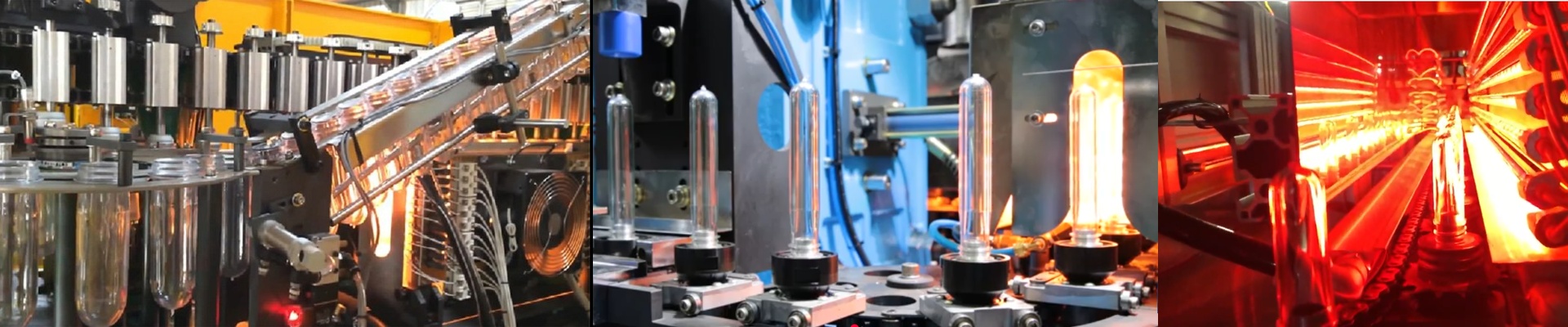
We build this replacement infrared bulb with a quartz envelope, because it heats up fast and holds steady under thermal stress. It throws focused short-wave energy, so you’re hitting surface temperature without scorching the air around it. The rated power is matched to common household warming stations, and the base type drops into standard sockets—swap takes minutes. You get fast recovery after each plate goes by, and a consistent radiant profile that holds temperature instead of chasing hot and cold swings.
Why this approach fits a warming station
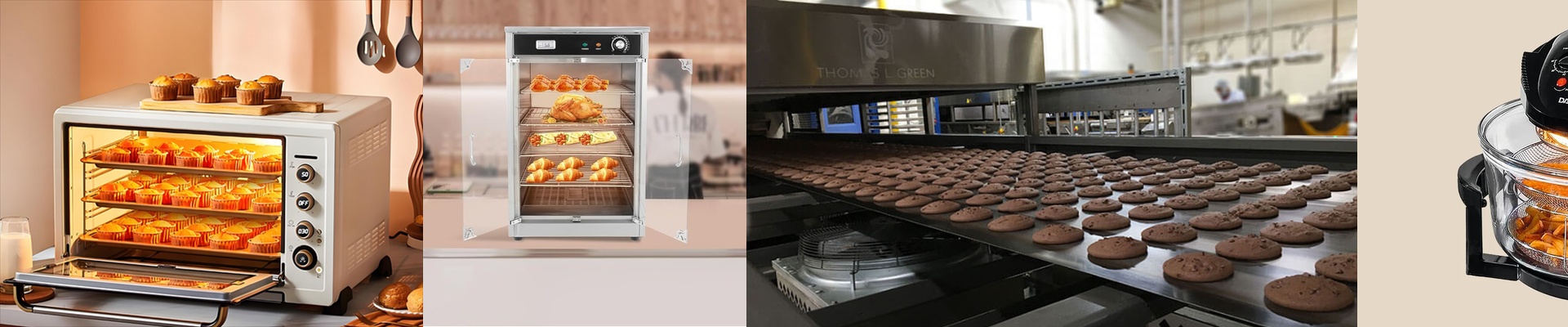
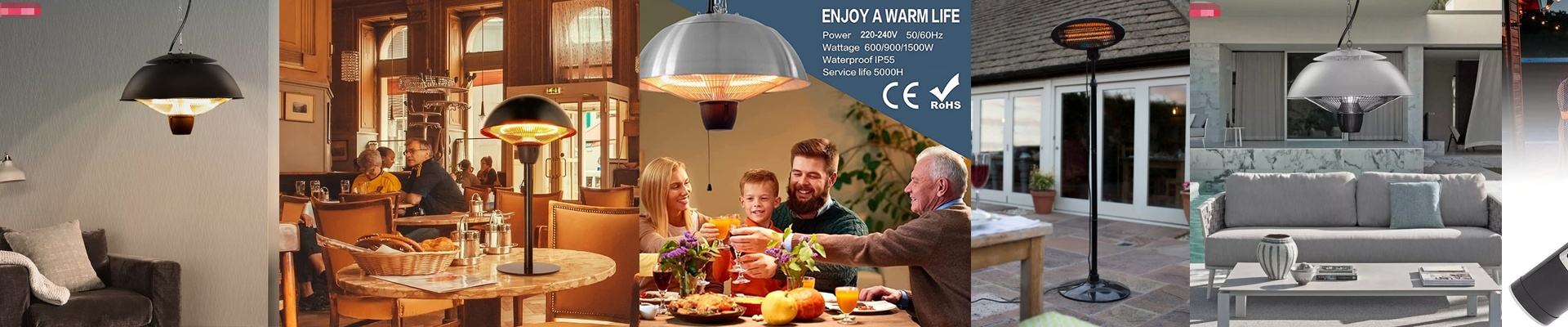
On a countertop warming station, the job is straightforward: keep food ready without drying it out. Infrared heat helps preserve moisture while still giving you the crisp finish you want. Plates come out even—golden color on top, texture intact. The bulb’s quick response keeps pace with real service: you plate, hold, and serve without waiting around for the heat to come back. Energy use stays sensible because the heat goes straight where it’s needed, not into the room.
What to watch for
Double-check your warming station’s voltage and socket style before ordering. Infrared bulbs run hot, so keep the housing clean and let the unit cool before you handle anything. For the longest life, avoid snapping the unit on and off constantly, and make sure the fixture’s reflector stays intact. If the reflector gets nicked, output drops and the bulb won’t last as long.