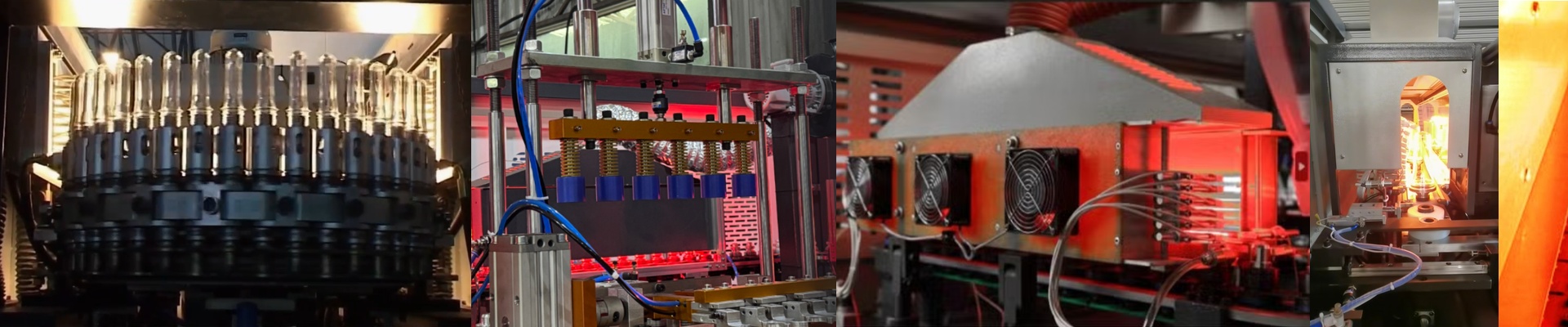
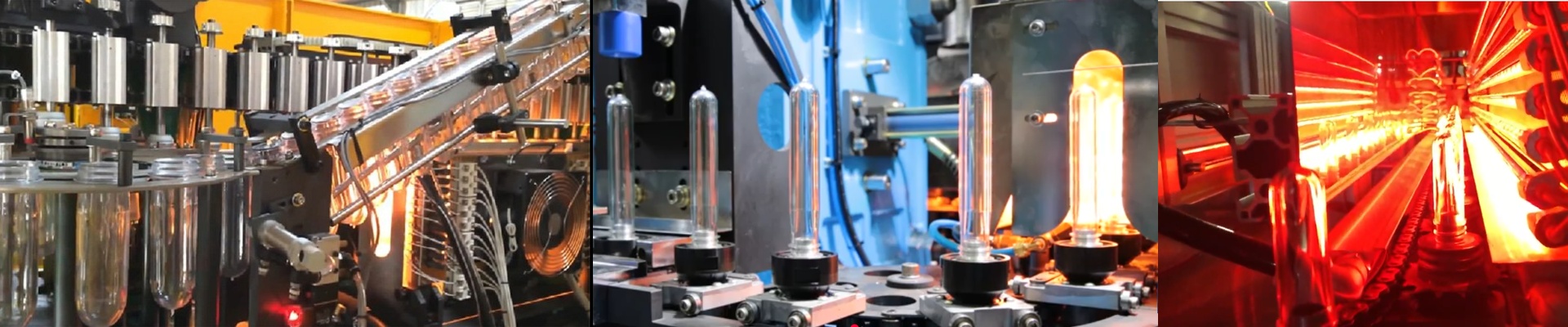

On a PET blow molding line, the heating section sets the pace. When the SIPA preform heating module assembly starts drifting—temperature variance, uneven stretch, or inconsistent bottle weight—you don’t just lose output. You lose control over the process window, and the line starts fighting you. We see this all the time: a plant running a SIPA stretch blow molder gets rising scrap, longer changeovers, and more frequent lamp replacements. The temptation is to patch the issue with generic emitters and hope the numbers behave. In practice, that just pushes the problem into quality and uptime. The right SIPA preform heating module assembly is engineered as a direct, parameter-matched fit, so the heating profile behaves predictably again.
What matters, technically
A preform heating module isn’t “just a heater.” It’s a repeatable thermal system that has to deliver stable infrared energy across a narrow band, with repeatable geometry and repeatable electrical behavior. The SIPA preform heating module assembly is built around short-wave infrared (SWIR) emitters—typically quartz halogen lamps—chosen because they can hit target preform surface temperatures quickly and consistently. The key is matching the lamp output to the preform material and the machine’s cycle time. In PET stretch blow molding, the preform has to be heated uniformly to the correct orientation temperature: too cool and the bottle splits; too hot and you get degradation and weak bases. We match the lamp to the SIPA heating tunnel geometry and process requirements, including:
- Lamp wattage and length calibrated to preform wall thickness and pitch
- Quartz tube wall thickness engineered for rapid thermal response and resistance to thermal shock
- Reflector geometry designed to concentrate energy on the preform shoulder and body—where it matters most
- R7s connectors and wiring configuration that match the original interface, so you can swap modules without re-engineering the terminal block And the electrical side is just as practical. The module is built to the machine’s voltage and current budget, so you don’t overload the existing supply or protection circuits. When we spec the assembly, we focus on the three numbers that matter on the floor: consistent temperature distribution, stable power draw, and predictable lamp life.
Why it works on a SIPA
A SIPA blow molder is a tightly integrated machine. The preform heating module isn’t an accessory—it’s the first station that determines whether the rest of the machine can run at design speed. If the heating is off, the stretch rod and blow pins inherit the problem. You end up with inconsistent stretch ratios, dimensional drift, and a quality department that’s constantly chasing limits. When the heating is right, you get:
- A tighter temperature spread across the preform, which reduces variability in stretch and bottle weight
- Faster recovery of stable heating after changeover, because the module’s geometry and emitters are matched to the SIPA tunnel and control logic
- Fewer line stops for lamp failures, because the module uses matched components built for continuous duty in a PET heating environment This isn’t theoretical. It shows up in scrap rate, in changeover minutes, and in how often you have to open the heating tunnel to “tune” the process. A matched SIPA preform heating module assembly brings the heating profile back into the repeatable range the machine was designed to run in. Energy cost is part of the conversation, too. Short-wave infrared heats the preform directly with minimal wasted convection heat, and a properly matched module avoids over-sizing. That keeps energy per cycle in line with the machine’s expected consumption.
What you need to know
A matched module only performs if it’s installed correctly and operated within its constraints. Here’s what we tell plant engineers before the work order is cut. Confirm the exact machine variant and heating tunnel configuration. SIPA machines can have different lamp layouts and reflector patterns depending on model and generation. The module has to match the lamp count, pitch, and mounting method. If you’re replacing a module that’s been running with mismatched lamps, expect the new assembly to behave differently—and that’s the point. Control the operating conditions. Infrared emitters are sensitive to airflow, ambient temperature, and reflector cleanliness. A dirty heating tunnel forces the emitter to work harder and shortens lamp life. If the tunnel environment is harsh, plan routine cleaning and inspection intervals. Treat the lamps as consumables with a planned replacement schedule. Even the best quartz halogen lamp has a finite life. Run-to-failure is expensive because it drags down temperature uniformity and risks unplanned downtime. Track hours and replace lamps in batches during scheduled stops. And verify the electrical interface. Matching voltage isn’t enough—make sure the connector type, pin layout, and protection scheme are compatible. A mismatch here can damage the module and create a safety issue. If you’re running a SIPA blow molder and the heating section isn’t delivering the repeatability the machine expects, a true SIPA preform heating module assembly is the cleanest way back to stable cycles, predictable quality, and fewer late-night callouts.