

Introduction
We build electric garage heaters, sure. But when the space is an art gallery or a museum, the whole game changes. It’s not about just cranking up the heat anymore. It’s about precision. That’s where our shortwave infrared halogen quartz heaters come in. We’re talking about direct, radiant warmth that hugs people and objects without messing with the air around them. The whole point is to keep delicate pieces safe and sound.
The Heart of the Matter
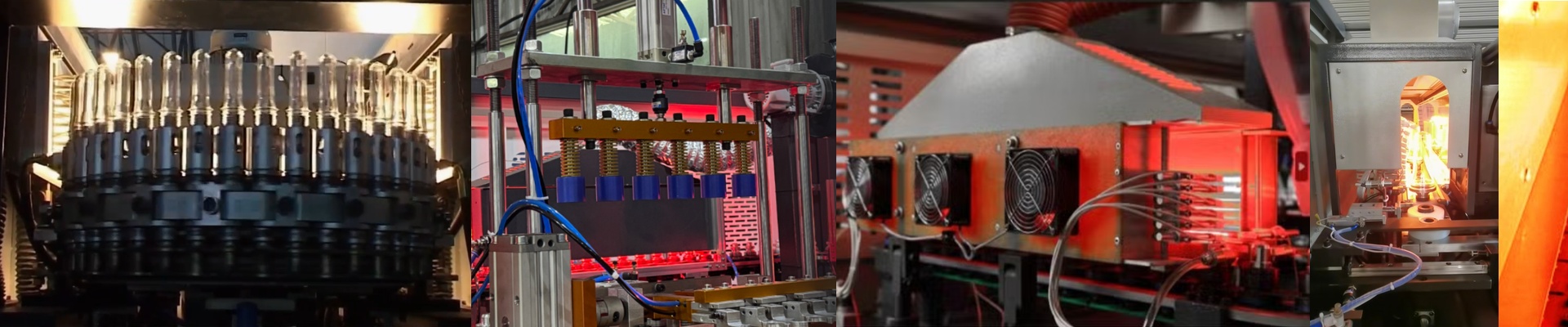
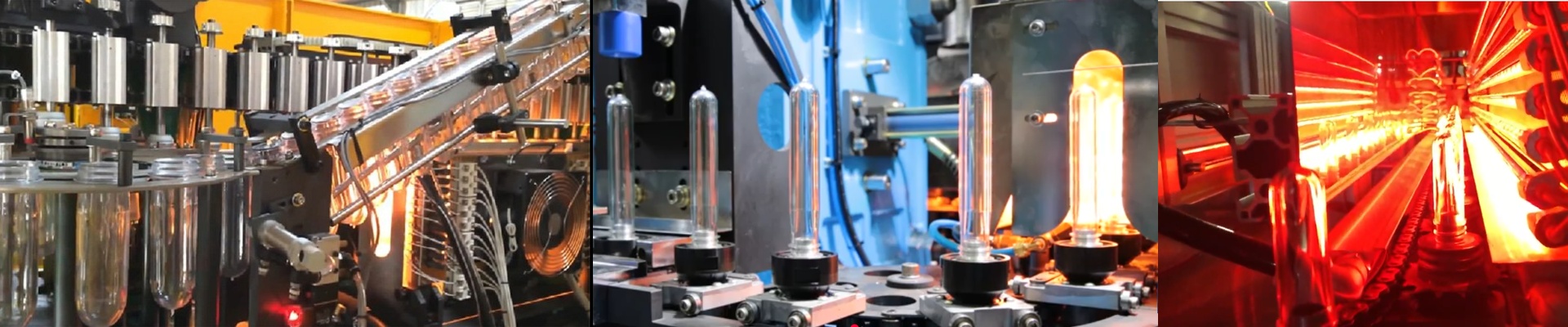
At the core of these heaters is the halogen quartz tube. We design them to run on standard voltages, either 230V or 400V, with power that usually sits between 1000W and 2500W. The length of the tube is carefully matched to the wattage, so you get the exact heat footprint you need. Take a 300mm tube running at 1500W, for example. It throws a focused beam of heat, perfect for warming a specific display area without overloading the building’s electrical system. The science is pretty straightforward: the filament heats up, the quartz tube holds it all together, and that energy radiates out as infrared heat.
Built to Last
The quartz envelope isn’t just a random choice. It’s there because it can handle extreme internal temperatures and lets that infrared energy pass right through. Inside, the halogen cycle keeps the filament stable, which stops it from blackening and keeps the output consistent over the life of the lamp. No surprise dips in performance. Just steady, reliable warmth. You’ll almost always find an R7s base on these units. It’s a tough, industrial-grade connection, built to take the heat and resist vibration. It’s a simple, solid way to wire the heater into a fixed fixture. You wire it up, and it just works, day after day, without failing.
Why Galleries Need This
In a gallery, heating the air is the last thing you want to do. Traditional convection heaters stir up air currents that carry dust and moisture, which is a nightmare for canvases and wood. Infrared heaters skip the air entirely. The energy travels in a straight line, warming the floor, the artwork, and the visitors directly. It’s heating with zero risk of damage. Now, the catch is that it requires a clear line of sight. You have to aim the heater correctly, because anything in the way will cast a shadow and create a cold spot. But when you need precise, targeted warmth for priceless collections, nothing beats the control and cleanliness of infrared. It’s a direct, controllable heat source that leaves the whole environment perfectly undisturbed.