The Logic Behind Those Wall-Mounted Infrared Heaters
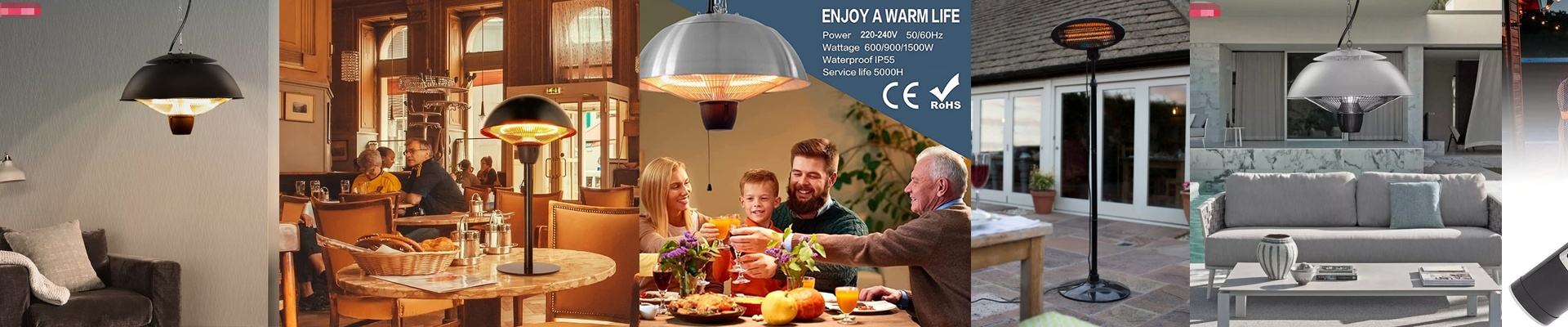
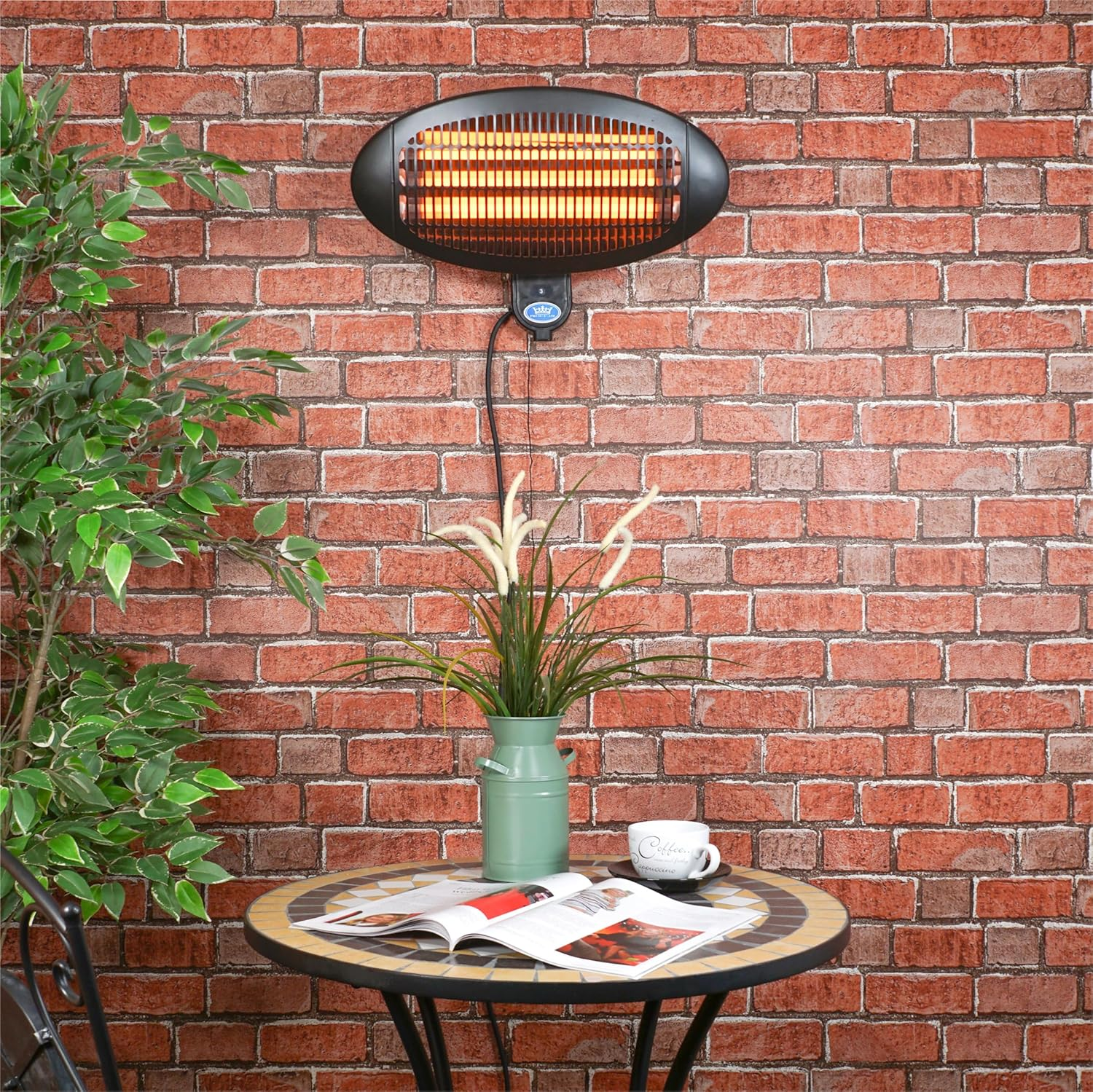
Let’s talk about those plug-in wall heaters that use halogen tech to pump out infrared heat. Their whole point isn’t just to warm a room. It’s to deliver heat at a very specific wavelength. Engineers chose this for a reason—it matches how our bodies naturally absorb warmth. So instead of just heating the air, you get that direct, radiant comfort.
Power, Voltage, and the Punch You Get
A typical unit plugs right into your standard wall outlet and cranks out between 800W and 1500W. That power is packed into a small space, giving you a ton of heat density. The result? Instant, focused warmth. No waiting around like you do with a central heating system. Just know this: it draws a serious amount of current. So before you wire it in, check your circuit. If the line isn’t strong enough, you’ll be flipping breakers.
The Heart of It: The Halogen Core
Inside, you’ve got a halogen-filled quartz tube. This thing keeps the filament burning hot and bright for the long haul, without it burning out fast. The quartz tube handles the extreme heat and lets the infrared radiation pass through cleanly. And the connection? It uses an R7s connector—a simple, reliable two-pin setup. It’s the standard for a reason. Easy to install. Easy to replace. No fancy, proprietary mess. Just solid, proven tech.
Why It Works: Warmth Where You Need It
The magic is in the wavelength. The infrared beam cuts right through the air and heats up objects and people directly. It doesn’t waste energy warming empty space. That creates a “warm zone”—where you feel perfectly comfortable even if the room temperature is lower. And that means you’re using less energy compared to those old convector heaters. But here’s the trade-off: the heat is directional. It’s fantastic for a specific spot, but it won’t warm an entire room evenly. For a living room corner, a workshop, or anywhere you need heat right where you are? It’s a direct, efficient solution. Plus, it feels more natural. You get that direct warmth without the dry air and dust that forced-air systems kick up. It’s just a healthier, more comfortable way to get warm.