When the rush hits, a hot dog warmer that drags its feet doesn’t just burn minutes. It burns consistency. You watch the steam die off, the buns go stale, and customers start checking their watches while you wait for the holding chamber to catch up. The answer is a heating element built for food warming duty—right from the ground up—not something cobbled on as an afterthought.
What actually matters, technically
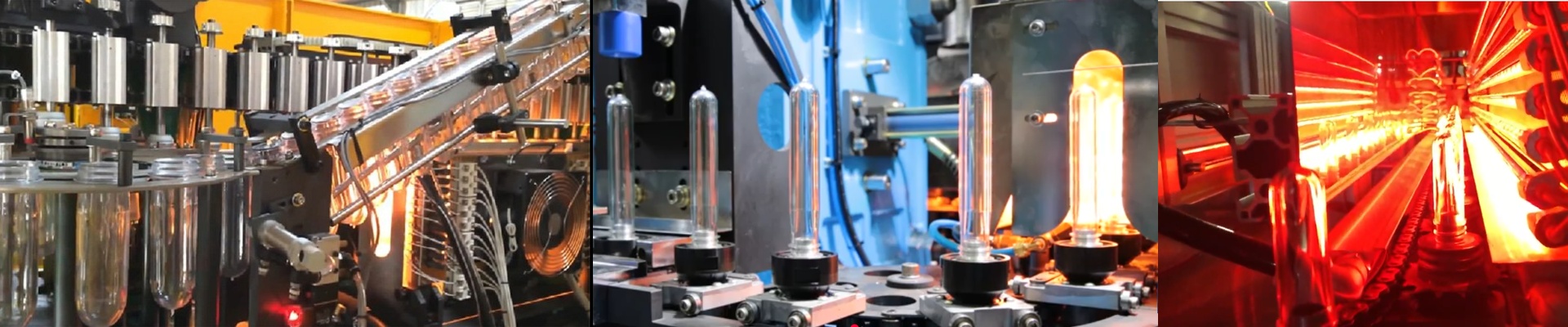
We spec quartz-sheathed, high-wattage elements in a compact footprint so the holding well hits target temperature in minutes, not tens of minutes. Wattage is matched to the warmer’s chamber volume and insulation, so recovery after a door swing is immediate. Terminals and mounting match common food warming equipment footprints, and the leads are rated for high-cycle on/off duty. The payoff is a tighter temperature band, faster recovery, and holding that stays steady at safe service temps.
Why this works in a real kitchen
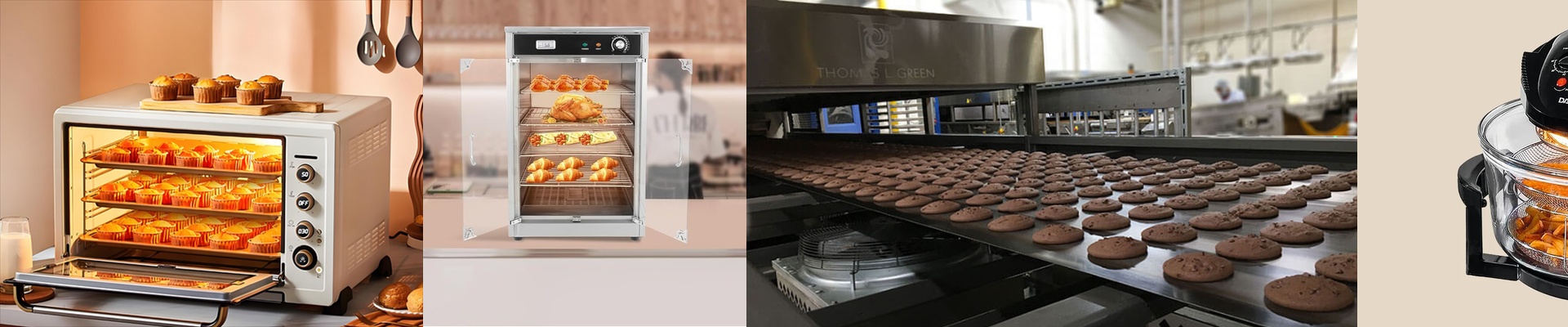
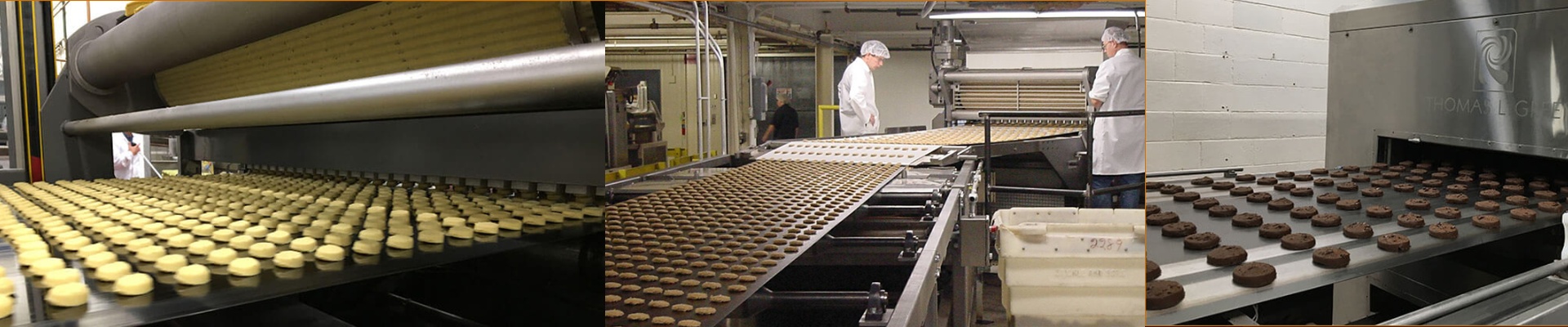
You might be running a deck oven for pizza, a convection for bakery items, and a separate unit for hot dog warming. The demands are different: pizza needs stone-hearth heat retention, bakery needs even airflow, and warming needs fast recovery with minimal overshoot. Our rapid-heat element keeps the hot dog well in the safe zone without wild cycling. You get quicker turn-through during peaks, less waste from temperature drift, and lower energy use per service hour because the element isn’t constantly chasing the setpoint.
What you need to know on the install and upkeep
Install is straightforward, but match voltage and wattage to the warmer’s rated socket and wiring. Expect higher inrush current at startup, so size the circuit for the element, not just the average load. In hard-water areas, mineral buildup will shorten element life—rinse and descale on schedule. Pair the element with a calibrated thermostat for accurate holding, and you’ll keep output stable through service, even when the door keeps opening every few minutes.