
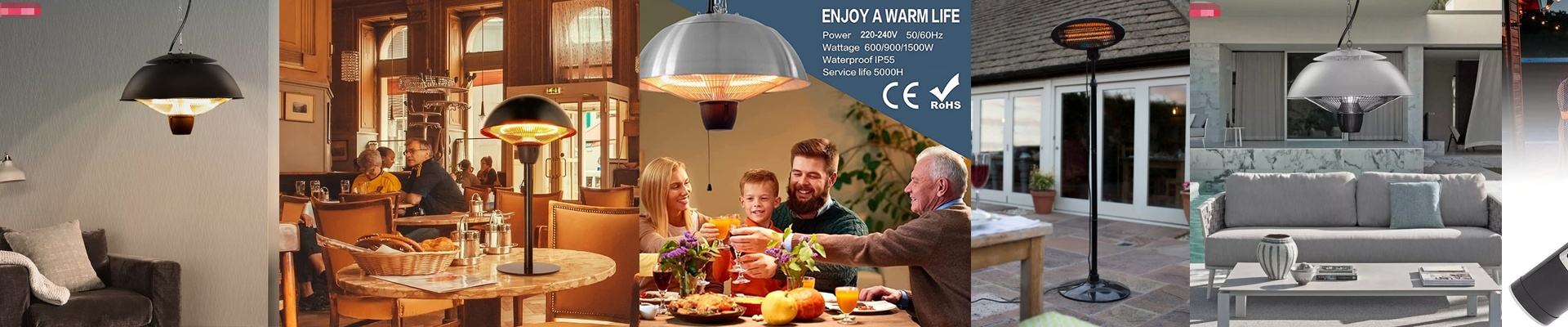

In a tight apartment, floor space is at a premium. Bulky heaters don’t just eat up square footage—they eat up comfort. When winter closes in, you want warmth that shows up fast, fits clean, and keeps its voice down. That’s where wall-mounted infrared heaters earn their keep: they deliver radiant warmth straight to people and surfaces, not the air. Here’s what actually matters on the technical side. Most units in this category run on quartz tubes or carbon fiber elements to put out short- or medium-wave infrared energy. The payoff is directional heat that feels like standing in sunlight—you feel warm even when the surrounding air is cool. Typical models plug into standard 120V outlets and put out around 1,500W, enough to warm a living area quickly without rewiring. Many include an adjustable thermostat, and the safety-minded builds add tip-over protection and overheat protection. Why this works in small spaces boils down to footprint and feel. Mount the unit high on a wall and you’re back to zero floor footprint. You reclaim room, and you sidestep the drafty, noisy cycling of forced-air heaters. Infrared warms on contact, so you can run the thermostat lower and still feel cozy—often translating to lower energy use. The wall bracket and slim profile keep the look clean, so the heater feels like part of the room, not an intrusion. Now, before you buy, get the placement right. Infrared warmth spreads in a pattern, so aim the unit to cover seating areas, not a blank wall. Clearance matters—keep combustibles at a safe distance per the manual. Infrared shines at spot heating, but very large open apartments may need a second unit or a different approach. Check local codes, mount securely into studs, and if you want a hardwired install, bring in an electrician.