
Why we put our bathroom heaters through “the torture chamber”
Putting an infrared heater in a bathroom is basically asking it to survive a daily battle with steam and heat. We build our heaters to be IPX4 splash-proof, but honestly? A spec sheet doesn’t mean much in the real world. That’s why we put them through damp-heat aging tests. We want to find exactly where the unit breaks before it ever lands in your customer’s home.
The problem with steam
Here’s the thing about moisture: liquid water is one thing, but steam is a different beast. It’s stealthy. It finds those tiny gaps that liquid water can’t, sneaking right onto the internal circuits and the lamp terminals. If a seal gives way, you get oxidation. That’s where things get messy. The electrical resistance climbs, the connection starts overheating, and eventually, the whole thing just burns out. Nobody wants a phone call about that on a Tuesday morning.
How we actually test them
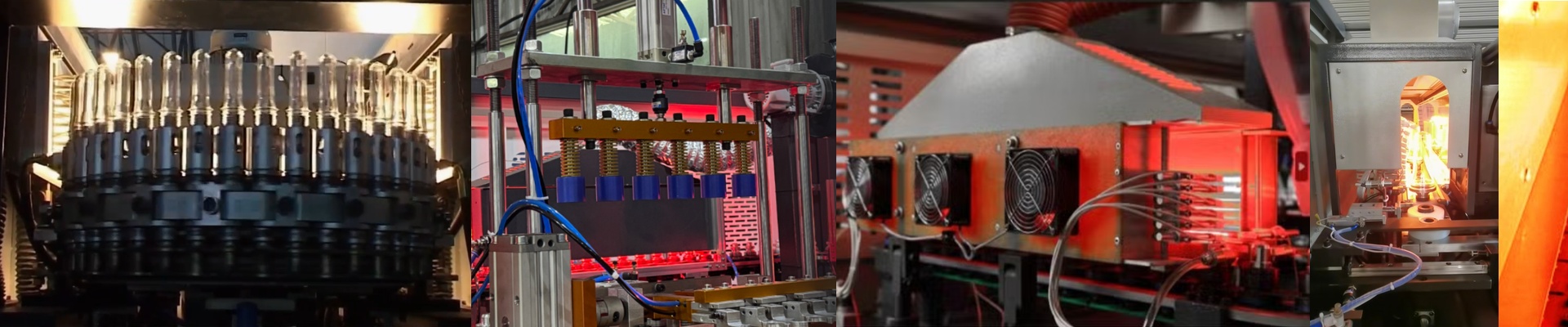
We don’t just spray some water on the casing and call it a day. We shove these heaters into humidity chambers that mimic years of steamy showers in just a few weeks. We blast them from freezing cold to full heat while keeping the humidity above 90%. It’s brutal. We’re looking for three big red flags: ***Warped seals.**Heat can make gaskets shrink or bend. If that happens, that IPX4 rating is gone. ***Leaking current.**If moisture hits the PCB, you’ve got a problem. ***Peeling reflectors.**Cheap coatings flake off when it gets humid. We make sure the reflective surface stays put so the heat actually goes where it’s supposed to.
The balancing act
There’s a catch, though. If you seal a unit too tightly to keep water out, you trap the heat inside. You basically end up cooking your own electronics. It’s a delicate balance. We need it airtight enough to be safe, but breathable enough so the internals don’t fry themselves. These aging tests are the only way we can find that sweet spot. At the end of the day, a heater that works great on day one but shorts out after six months is just a liability. We’d rather break them in the lab than have them break in a customer’s bathroom.