
Why We Built This
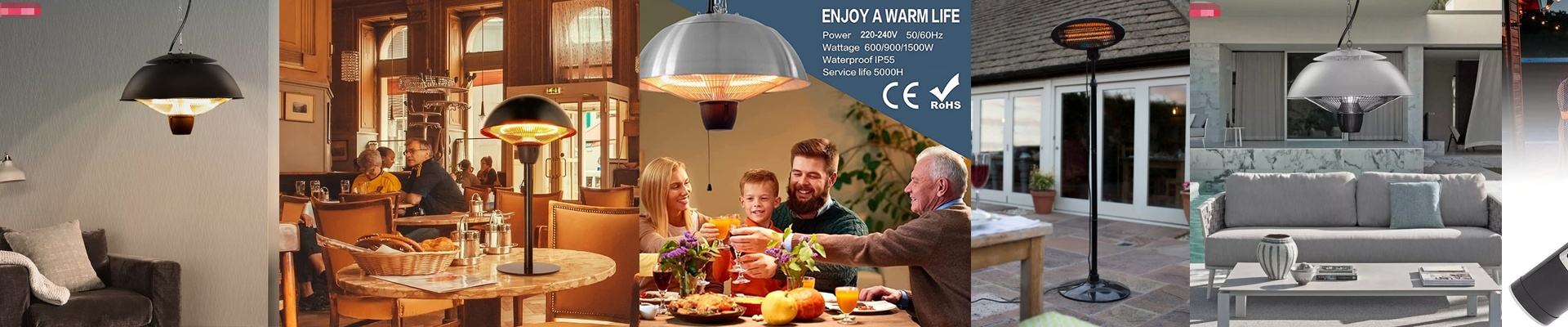
We built this heating table for one simple reason: to bring serious, infrared warmth into wet spots—like bathrooms—without making safety a game of chance. It’s all about delivering high-intensity heat exactly where you want it, fast. The lamp throws out shortwave infrared warmth, and it’s designed to be easy on the eyes. No glare. No harsh light. Just clean, directional heat.
What’s Actually Inside
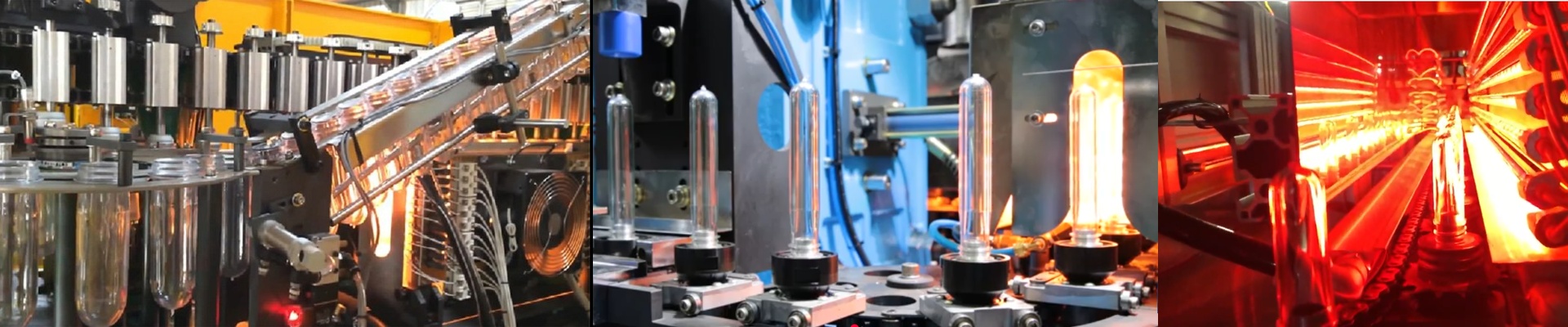
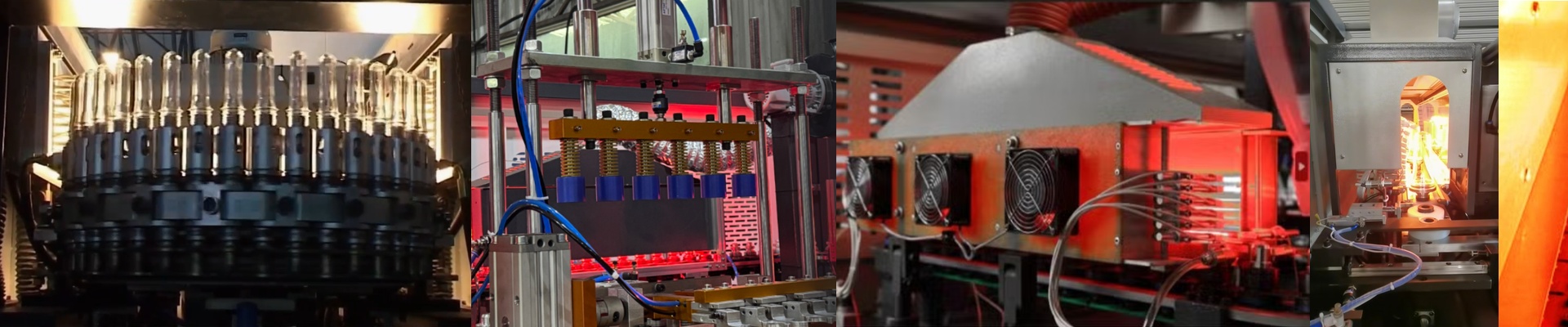
At the heart of it is a shortwave infrared lamp, built to turn electricity into radiant heat with almost no waste. And here’s the part that matters for wet spaces: it’s IP44 waterproof. That means it’s protected from splashing water coming from any direction—perfect for bathrooms or anywhere that gets hosed down. This isn’t just a surface-level rating. The housing and joints are sealed the right way, so moisture stays away from the electrical parts. The wattage and voltage are matched to give you heat that behaves predictably, so you can plan your setup around steady temperatures and consistent warm-up times.
The Materials That Make It Work
We chose a quartz envelope because it handles rapid on-off cycling without blinking. It keeps output stable, even when the lamp is switching on and off a lot. The infrared element is tuned to warm you directly—think of that deep, soothing heat—while cutting down on the high-energy visible light that can be tough on sensitive eyes. For the connection, we went with an R7s base. It holds solid, and it makes the lamp a simple drop-in replacement in standard fittings. The waterproof build relies on gasketed seams and protected termination points, so wiring it up doesn’t require a masterclass. Use standard conduit and sealing practices, and you’re good.
Where It Shines—And What to Keep in Mind
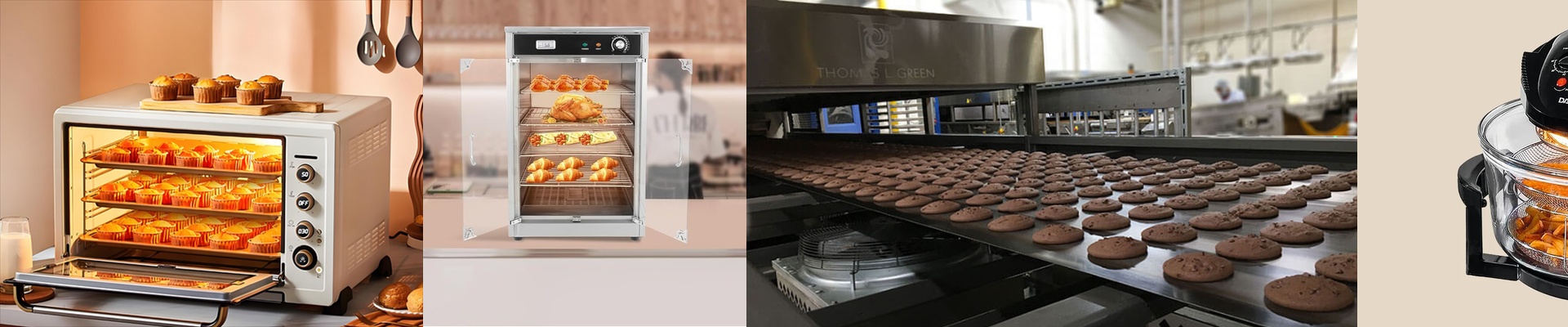
In a bathroom, this lamp is a game-changer. It heats people and surfaces quickly, without trying to warm the entire room air. That means faster response and more precise control over zones. In infant care, the light stays gentle while the heat stays strong—so you get comfort without harshness. Now, one thing to keep in mind: because the heat is concentrated, you’ll want to plan for dissipation. Make sure the mounting surface and surrounding enclosure allow enough airflow or heat sinking, so everything stays cool during long stretches of use.