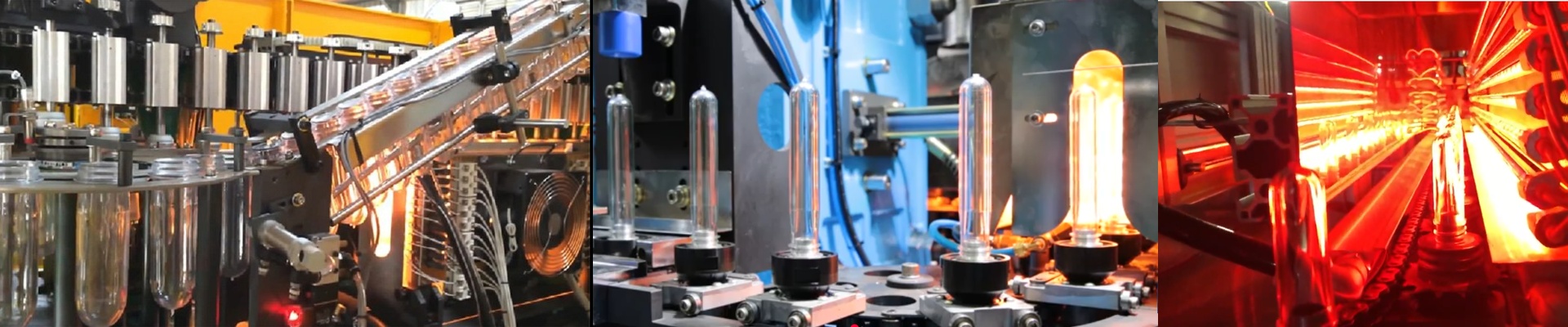
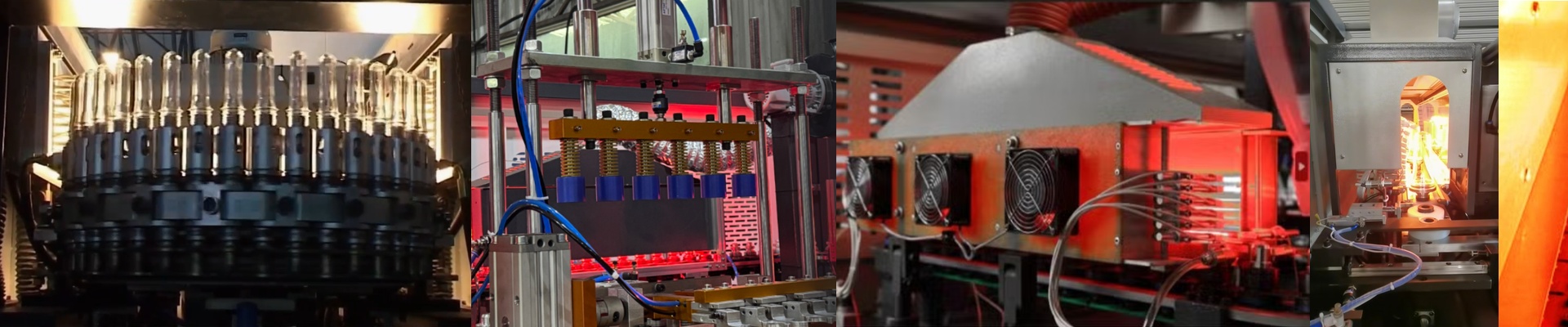
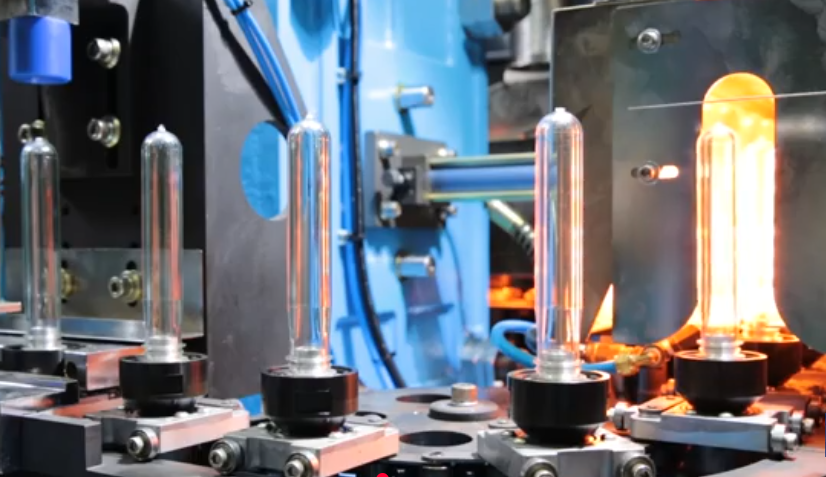
On a blow molding line, preform heating is the one bottleneck you can’t treat like a guess. When the heating tunnel gets moody, you pay for it in uneven wall distribution, flash, and scrap. The answer starts at the emitter.
What matters under the hood
We run translucent quartz infrared tubes built for the heat profile stretch blow molding actually demands. They respond fast, hold output steady, and repeat temperature control across the preform body. The quartz envelope handles thermal shock, and it stays stable inside a dense, reflective heating tunnel. We match OEM voltage, watt density, and length, with standard R7s connectors so it drops straight in on blow molding machines. The spectrum is tuned so PET absorbs heat quickly and efficiently—surface stays cleaner while the core temperature climbs.
Why it plays in the real world
Installed on the blow molder, these tubes put the heating curve back where it should be. You get tighter temperature uniformity across the preform, which means fewer rejects and more consistent bottle weight. Faster ramp-up supports higher cycle rates without scorching the preform surface. Energy use drops because the tube heats on demand, with minimal idle loss. In the field, output stays stable for thousands of hours, lumen decay stays low, and replacement intervals are predictable. Less downtime, fewer spares on the shelf, and a lower cost per thousand bottles.
What to watch on the line
These tubes are engineered for specific heating zones on blow molding machines. Confirm tunnel geometry and mounting clearances before ordering—tight tolerances matter. Keep reflectors clean and aligned. Output depends on the reflector system as much as the tube itself. Handle with clean gloves to avoid hot spots and premature failure. If your line runs long hours, schedule replacements during planned maintenance so the heating profile stays consistent.