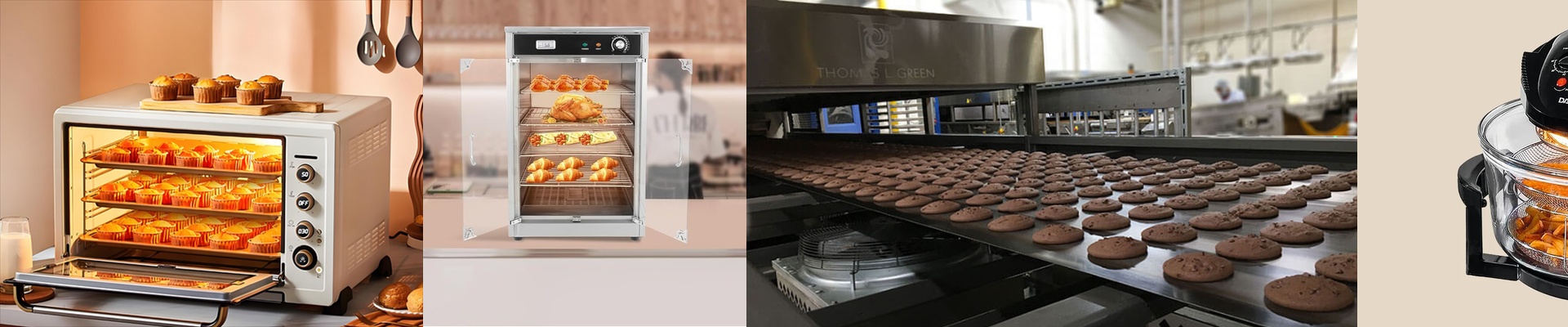
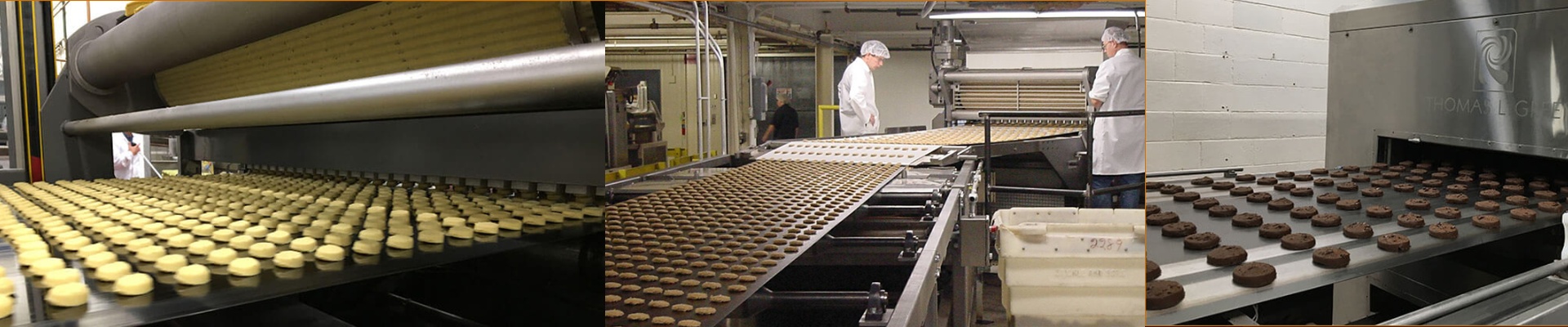
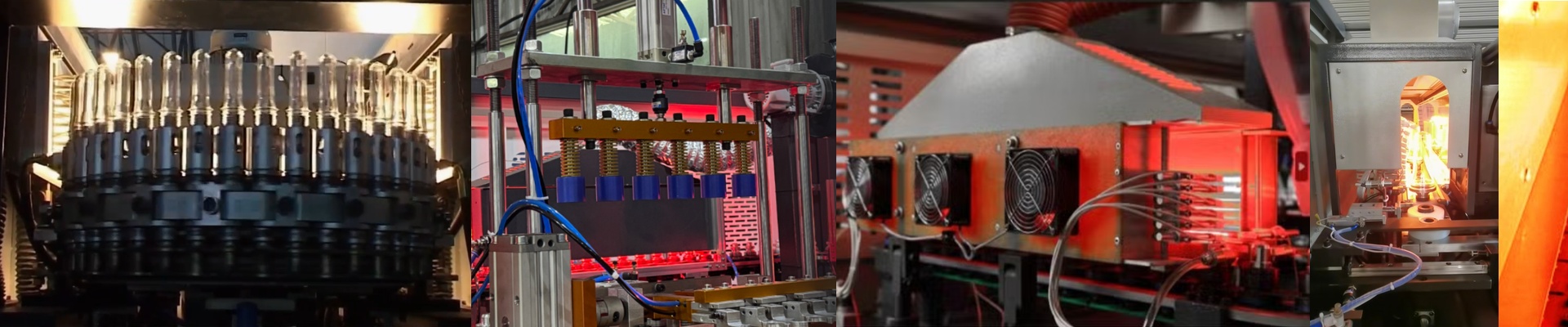
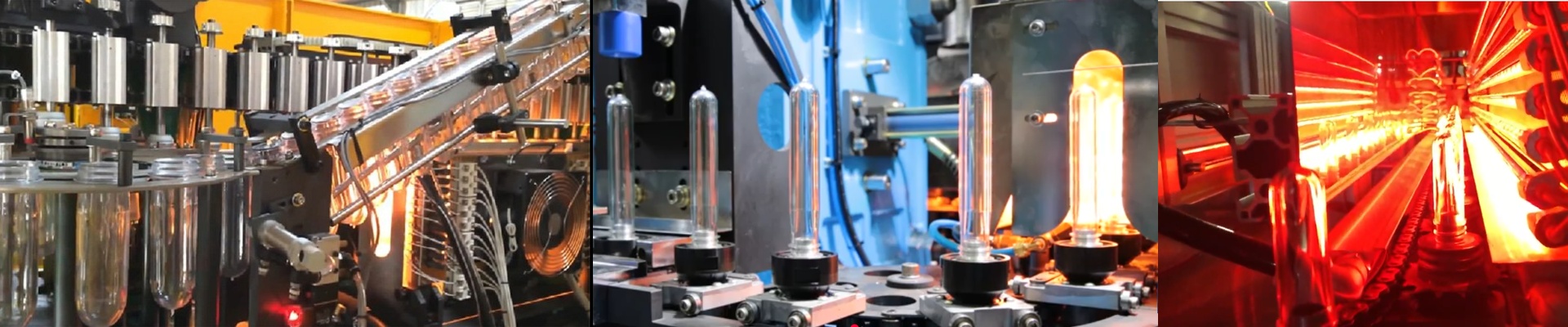
When service hits, your oven can’t be the weak link. Every minute spent waiting on heat is a minute added to ticket times, and that cost shows up on the bottom line. We built this convection oven with an integrated infrared heater to cut that lag out of the equation.
What’s actually under the hood
The core setup is a direct-output infrared heating module working in step with a high-velocity convection fan. The infrared element throws intense radiant energy that gets into the dough and toppings fast, pushing moisture off the surface so the crust sets the way it should. At the same time, the convection system keeps heat moving evenly through the baking chamber, so you don’t get cold spots. The payoff is a quick heat-up from a cold start, solid temperature holding during long bakes, and consistent doneness bake after bake. The controls are straightforward and repeatable, so your crew can set a cycle and trust it to land.
Why it holds up in a busy kitchen
In a high-volume spot, speed and consistency are the same thing. This oven comes up to bake temperature fast, so you can run more cycles through the same footprint without waiting around. When service is live, the infrared heater keeps the chamber stable—big news for bread, pizza, and tray bakes that can swing hard with temperature changes. Heat retention stays consistent, so the first tray and the last tray come out with the same color and texture. Fewer rejects, faster turnaround, and a calmer line when the rush hits.
What you need to plan for
Because the infrared output is high, the oven needs dedicated power and proper clearance around the heating zone for service access. It performs best when matched to the rack sizes and pan loads you already use—overloading the chamber will slow recovery. Get your electrician involved early on the install, and you end up with a dependable workhorse that pays for itself in saved minutes, shift after shift.