
Basements have a way of turning comfort into a compromise. The air sits heavy, the walls sweat, and the chill gets in your bones—even when the rest of the house is fine. Forced-air systems struggle down there. They stir up dampness, waste energy heating empty corners, and still don’t make the space feel welcoming.
What matters, technically
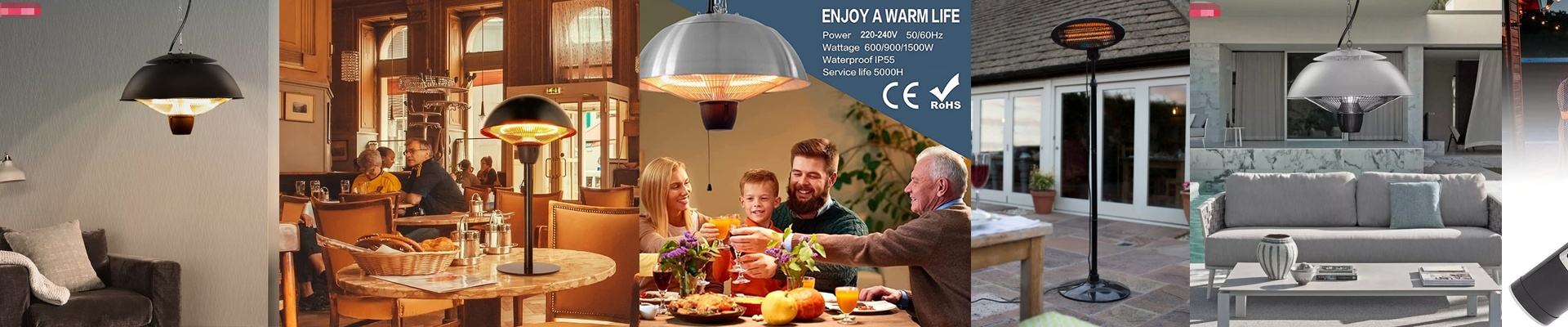
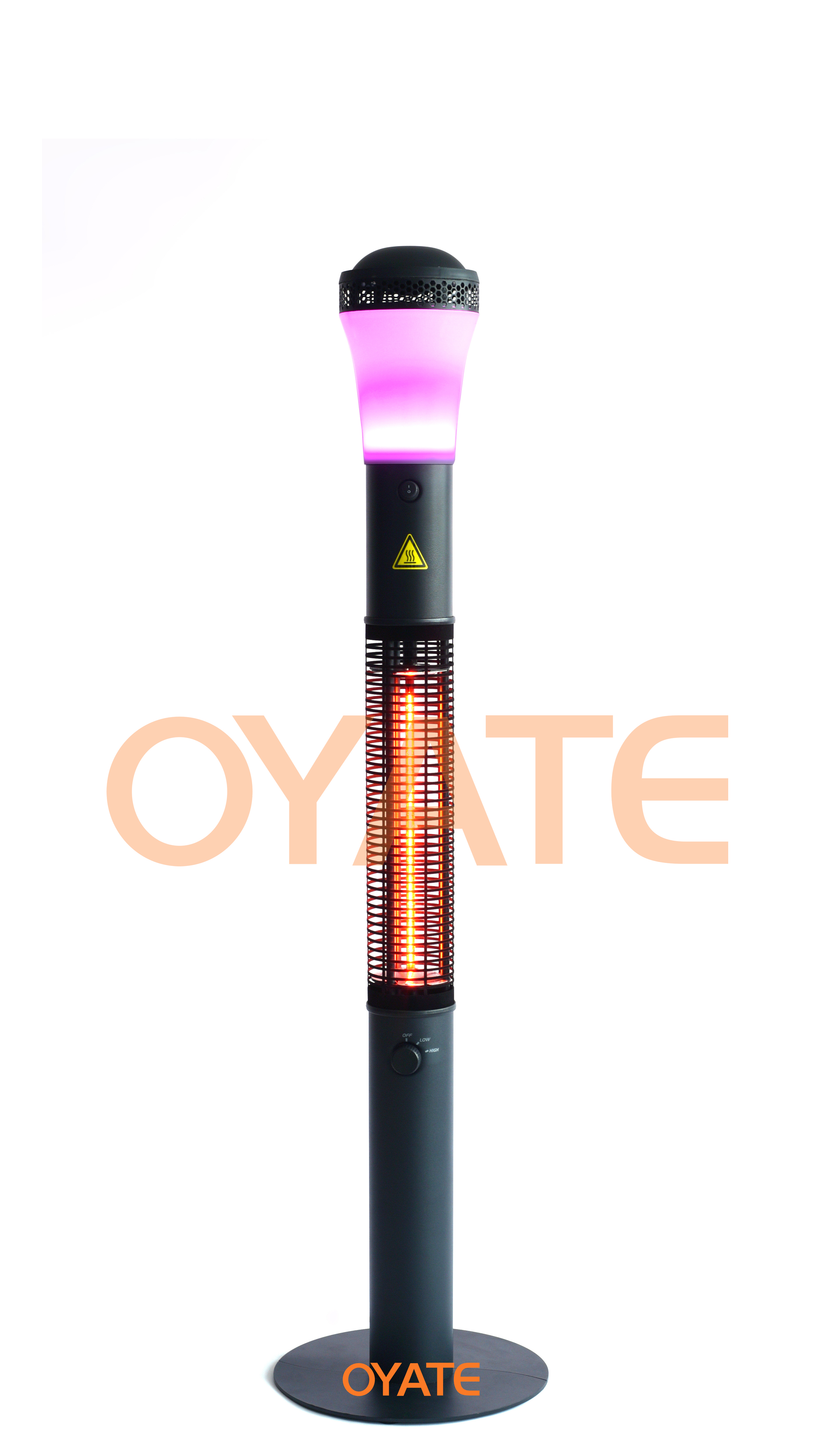
We built this wall-mounted infrared personal space heater around radiant warmth, not convection. The core is a carbon fiber element inside a sealed quartz tube, putting out medium-wave infrared that travels through the air without heating the air first. You get direct warmth on people and surfaces—like sun on a cool morning—without blowing air around and making moisture problems worse. It runs on standard 120V household power, pulling low power for a focused comfort zone. A built-in adjustable thermostat keeps the temperature steady, and the unit carries an IP rating for resistance to damp conditions. Safety is straightforward: the exterior stays cool to the touch, and tip-over protection shuts it off if it gets knocked out of place.
Why it works in a basement
Downstairs, the win is two-part: warmth where you actually sit, and fewer cold, wet surfaces. Because infrared warms objects directly, you can feel comfortable even when the overall air temperature is cooler. Less air movement also means you’re not constantly stirring humid air against cold walls, which helps keep that clammy feeling from taking hold. The low-power approach keeps operating costs predictable, so you can run the heater where you use the space—reading nook, workbench, media corner—without watching the energy bill jump.
What to keep in mind
This heater is for targeted comfort, not heating the whole basement. For the best results, mount it on a dry interior wall at a height that aims warmth toward the seating area, and keep it clear of obstructions. The IP rating helps in damp settings, but it’s not waterproof—avoid direct water spray and extremely humid spots, like right next to a washer drain.