Stop the Temperature Rollercoaster in Your SIPA Rotary Systems
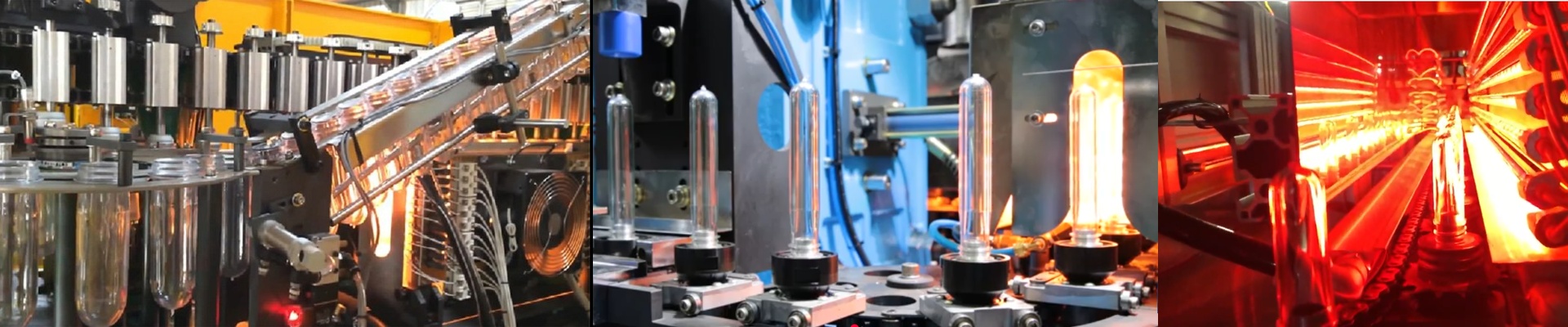
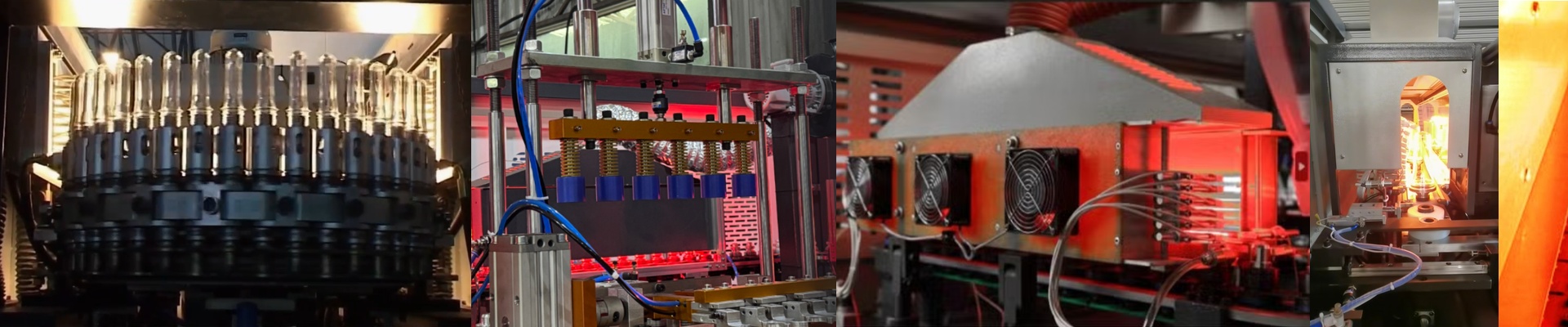
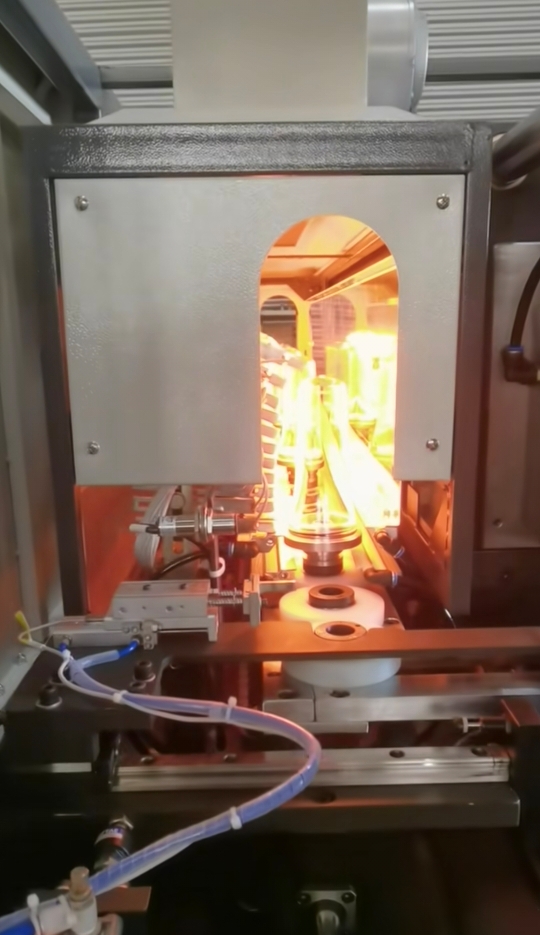
Ever notice your bottle walls looking uneven? Or worse, seeing a spike in failures just when you’re hitting your stride? In PET blowing, it usually comes down to one thing: heat. Specifically, heat that isn’t behaving. I see this all the time with SIPA rotary machines. An operator swaps out a few burnt-out lamps, but they aren’t exact matches to the originals. Maybe the wattage is slightly off or the voltage is a bit wonky. It seems like a small detail, but it creates “cold spots” and overheating zones across your preforms. If you want a stable process, you have to match the power 100%. No shortcuts. The grit of the physics Here’s the thing about quartz heaters. It’s all about how much power is packed into every centimeter of that tube. If you drop in a lamp with lower power density than the ones around it, the preform just won’t get hot enough in the time it has to move through the oven. To fix it, the temptation is to crank up the heat for the whole oven. But then you’re just burning the preforms in the zones that were already hot. It’s a losing game. Built for the grind We use high-purity quartz because these things take a beating. The rapid heating and cooling—the thermal shock—would crack cheaper glass. We also stick to standard R7s or Sk15 connectors. Why? Because nobody wants to spend their afternoon rewiring racks. You just pop them in and get back to work. Plus, the halogen gas fill keeps the filament from snapping prematurely, so you aren’t replacing these every other week. Real talk: The shop floor High-wattage tubes put out a serious amount of heat. That’s great for your speed, but it’s tough on your hardware. Check your reflectors. If they’re pitted, oxidized, or just filthy, that heat isn’t bouncing back into the PET. It doesn’t matter how expensive your lamps are if the reflectors are dead. Give them a good clean every time you swap a tube. And one last tip: when you get your power matching dialed in, your cooling blowers are going to work harder. Keep your ventilation clear. You don’t want to be staring at a tripped thermal override in the middle of a big run.