Why Your Steam Oven Keeps Messing Up (And How We Fixed It)
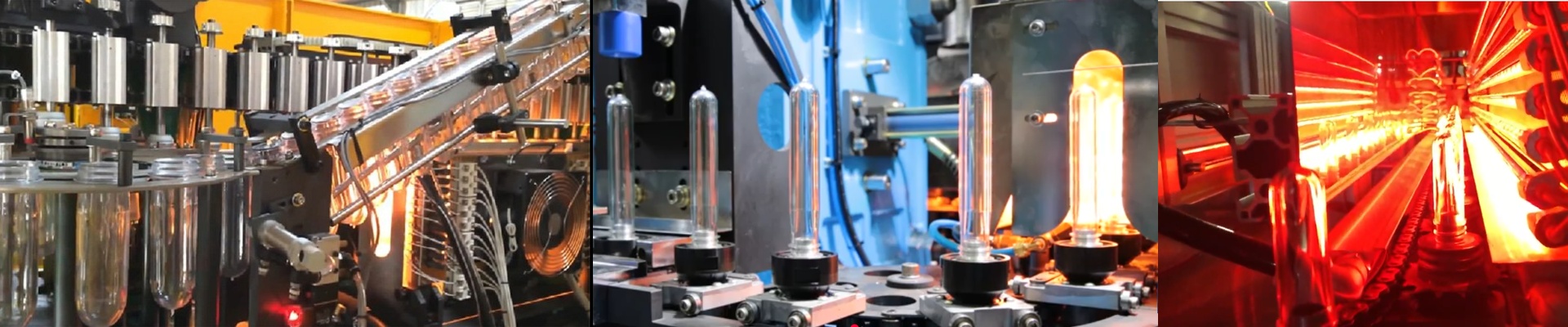
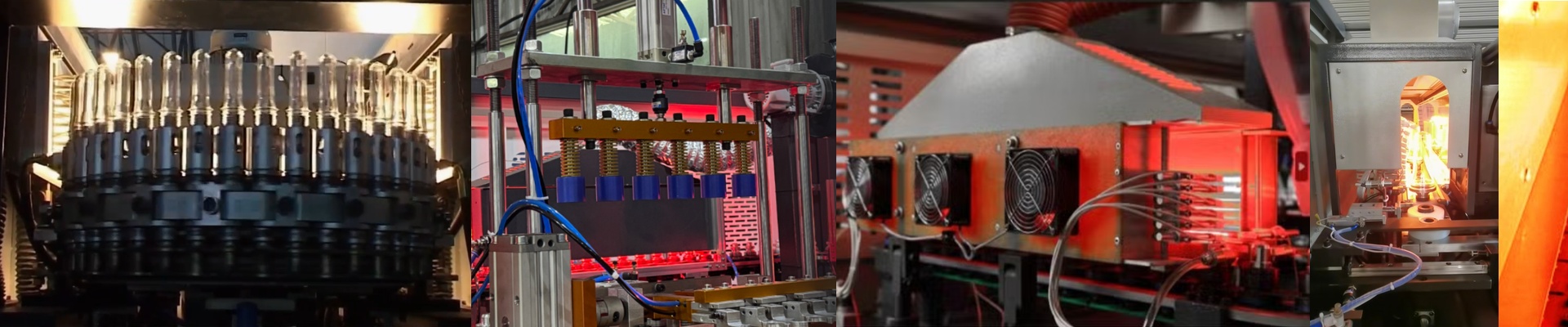
Most baking disasters come down to one thing: temperature swings. It’s frustrating. You’re looking for that perfect crust, but the oven is fighting you. When you add steam into the mix, things get even more volatile. That’s why we went with twin quartz tubes. These aren’t your standard heating elements. They blast out short-wave infrared radiation that hits the food instantly. No waiting around. No guessing.
The Magic of Quartz
Here is the thing about traditional coils: they take forever to warm up. By the time they hit the right temp, they often overshoot it, leaving you with a chaotic environment. Quartz is different. It hits operating temperature in seconds. When we pair those tubes with high-precision PID controllers, the oven stays locked in. We’re talking a margin of ±1°C. It’s steady. It’s reliable. Cheap ovens have this annoying “thermal lag.” The sensor tells you the oven is at 200°C, but the actual air is nowhere near that. With quartz, that lag basically disappears because the tubes react the moment the power cuts.
Dealing with Steam
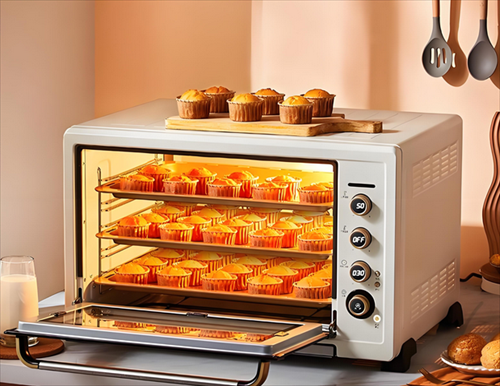
Adding steam changes everything. It makes the air inside the oven carry way more energy. If your temperature slips by even five degrees, you’re in trouble. Either the moisture vanishes too fast, or it soaks into your crust and leaves you with something soggy. Not exactly the goal. We build these systems with tight tolerances to stop those “baking crashes.” We make sure the internal temp doesn’t plummet the second the steam kicks in.
The Honest Truth (The Trade-offs)
Look, nothing is perfect. Quartz tubes are fragile. If you spray water directly onto the glass, the thermal shock can crack them. It’s a mess. You have to be smart about where you inject the steam or use shields to protect the glass. And a word of advice on the sensors: placement is everything. If you put the probe too close to the quartz tube, you’ll get a fake high reading. The oven thinks it’s hot enough, shuts off too early, and you end up with a raw center. Wire it up right, or the precision doesn’t mean a thing.