Getting Your Rotary Ovens Just Right with Nichrome IR Lamps
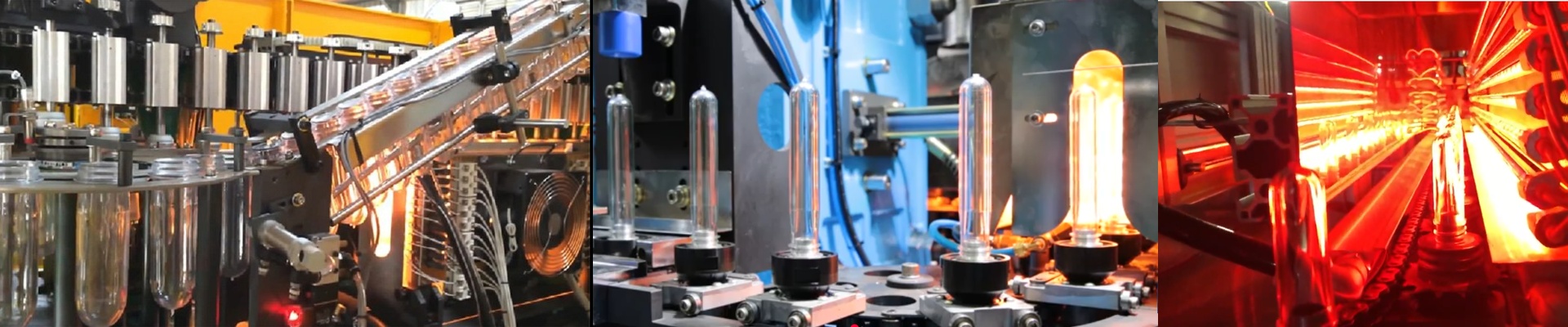
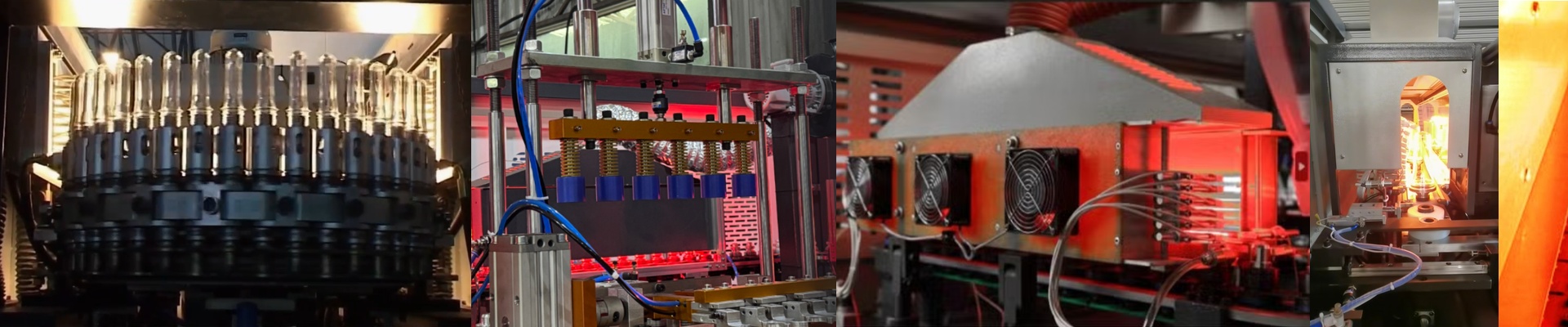
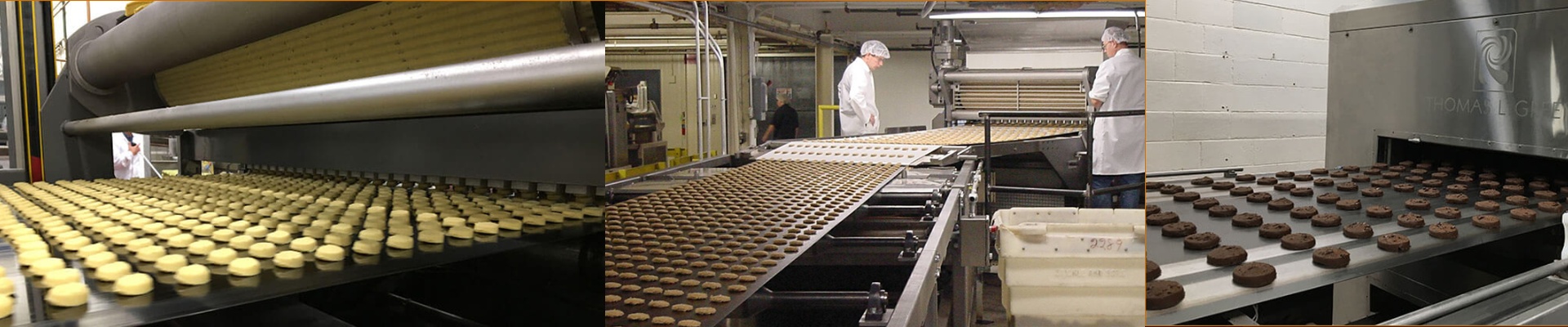
If you’re running an automated kitchen, you know the struggle of keeping every single batch tasting the same. The secret is how fast you can get your heat to react. That’s why we use Nichrome infrared lamps. Instead of wasting time heating up the air and hoping it reaches the food, these lamps shoot heat directly onto the product. It’s almost instant. The magic of the heat response At the heart of this is the Nichrome element. We build these to handle a ton of power, which means you hit your target temperature in seconds. The best part? They don’t hold onto heat once you flip the switch. Unlike old-school heaters that keep cooking your food even after the power is off, these stop quickly. If you hook them up to a PID controller or a PLC with PWM, you can throttle the heat exactly how you want it. No more worrying about “overshooting” your temp and ruining a batch. Customizing the hardware We wrap the Nichrome coils in quartz. This keeps the oxygen out so the coils don’t degrade. Every oven is different, so we don’t do “one size fits all.” We’ll tweak the length and voltage to fit your specific setup. If you’re running a heavy-duty industrial line, we can spec them for 230V or 400V. It keeps the current draw low and means you don’t have to deal with ridiculously thick wiring. A few things to watch out for Here’s the thing: this kind of precision needs a tight feedback loop. You’ve got to place your sensors exactly where the product is rotating. If they’re too far away, your signal lags, and your timing goes off. Also, keep an eye on your airflow. High-wattage lamps put out a lot of energy, and that heat has to go somewhere. If your fans aren’t up to the task, you’ll end up cooking your own control electronics. Not a great look. One last tip: since these ovens are always spinning, things vibrate. Thermal expansion happens, too. Over time, connections can wiggle loose. Stick with high-temp ceramic mounts to keep everything locked down and secure.