Introduction
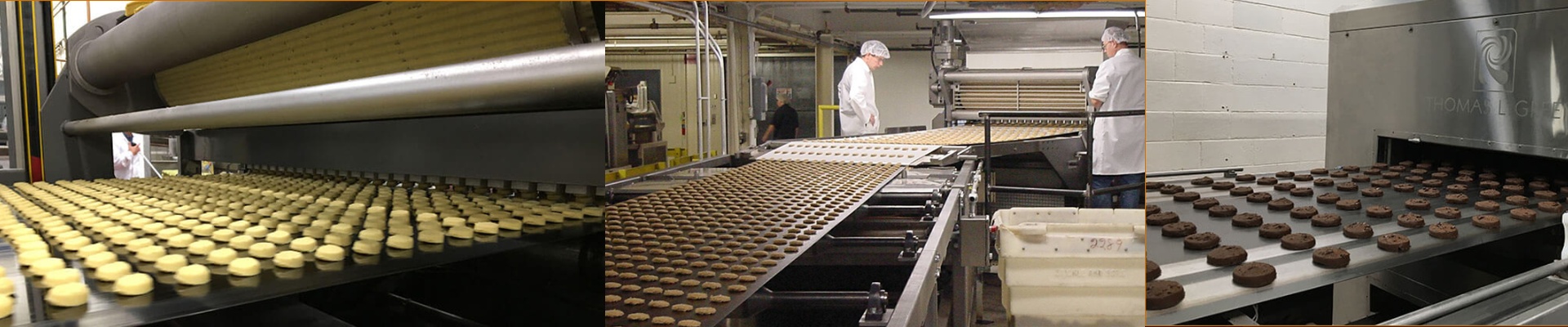
We built this rapid-heat radiant heater for one reason: the relentless pace of a commercial steam oven. You know that feeling—when the line is moving, orders are stacking up, and the oven just isn’t ready yet? That pause kills your rhythm. This heater was designed to wipe that pause out. It throws instant, focused heat right where you need it, so you stop waiting and start producing.
The Power Behind the Heat
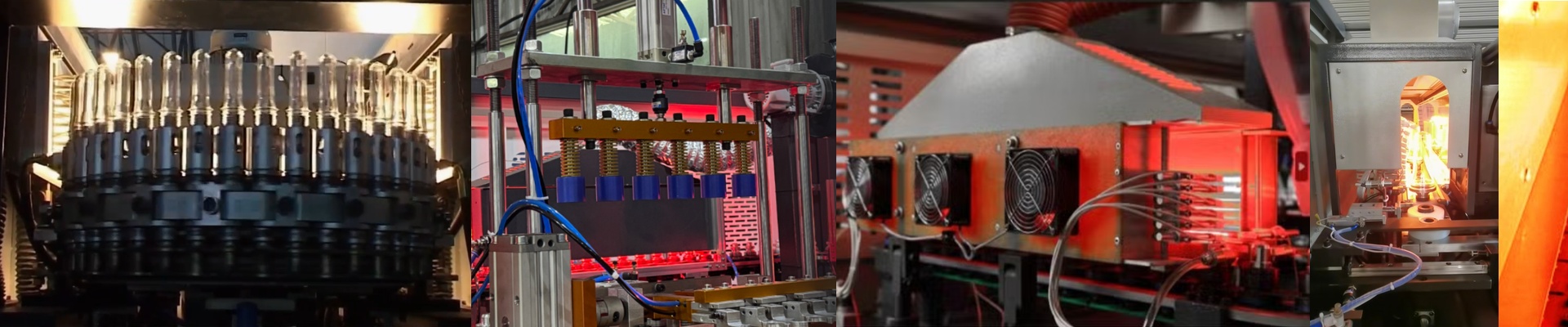
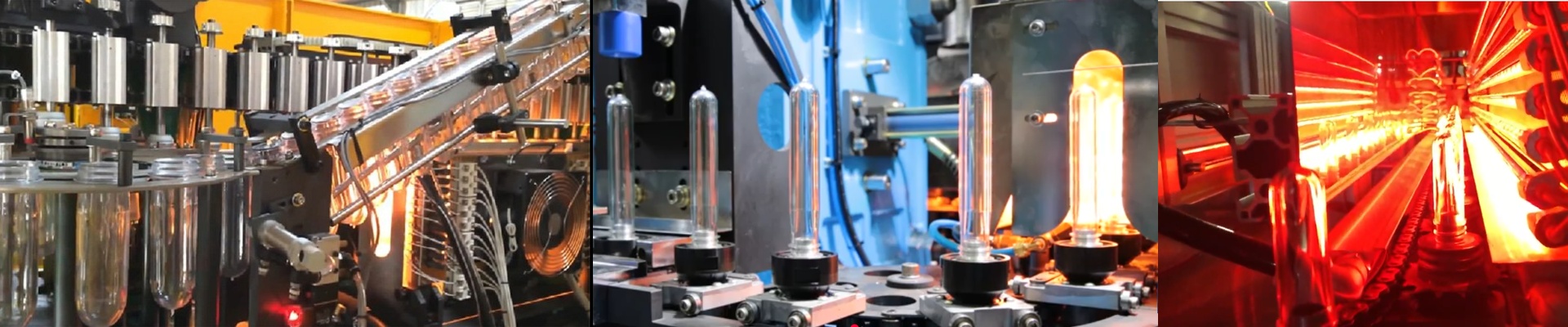
Here’s the heart of it: raw, concentrated power. We designed this to run on 400V, which lets us pack a serious punch into a compact 300mm tube. That high-voltage setup keeps the electrical draw manageable, but it does need a steady power supply. The 2500W output is all about speed. It gets the oven cavity back up to temperature fast, so you’re not stuck watching the clock between cycles. And the size? It’s intentional. The 300mm length and 10mm diameter slip neatly into tight reflector assemblies without crowding the space. That tight fit means the heat goes exactly where you want it, with no waste.
The Materials That Make It Last
We chose a halogen-filled quartz tube because it handles the stress of rapid on-off cycling without flinching. The halogen cycle keeps the element clean, so you get consistent output day after day—especially when you’re in the thick of service. For the connection, we went with the R7s connector. It’s the industry standard for this form factor, and for good reason. It gives you a secure, high-temperature connection that’s straightforward to wire and easy to service. That means when it’s time for a replacement, you can get back up and running quickly.
How It Performs—And What to Keep in Mind
In a steam oven, this heater’s quick reaction keeps your production moving. No more lag between cycles. You can turn over batches faster, and the focused infrared heat hits the target efficiently, which helps keep energy use per cycle in check. But there’s a trade-off for that speed. Packing 2500W into a small tube creates intense local heat. Your oven’s thermal management has to be up to the task. Without proper cooling and airflow, surrounding parts can feel the strain. We make the heater tough, no question. But the whole system needs to be designed to match its output. That’s the balance you get for choosing raw speed.