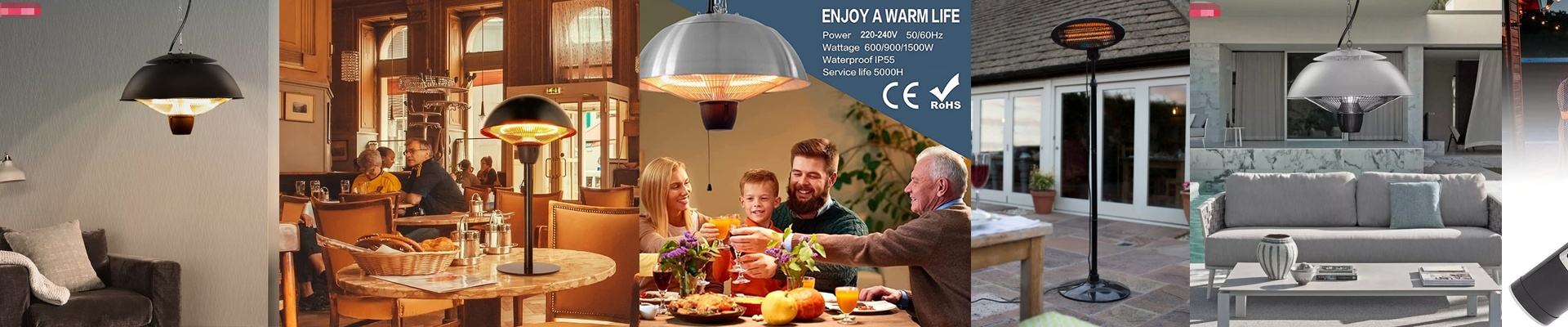

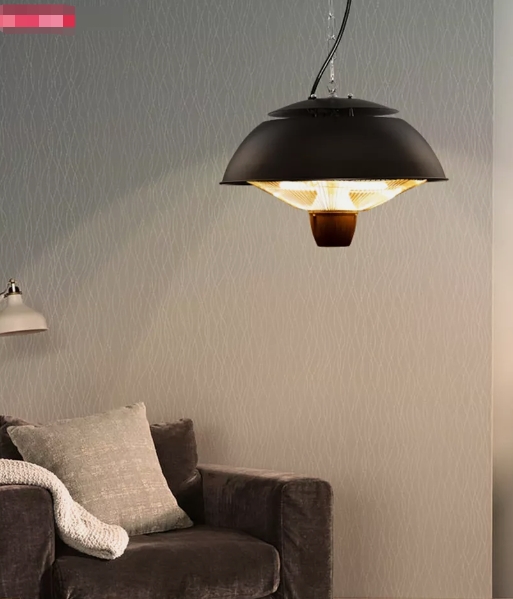
In a display case, a single speck of dust on velvet can blow the whole presentation. In a lab, airborne particles can kill an experiment. Standard forced-air heaters just stir that mess around. We built our greenhouse electric heater to deliver warmth without moving air—because in these spaces, stillness isn’t a perk, it’s a requirement. What’s Actually Under the Hood This is an infrared electric heater, so the heat comes as radiant energy, not a breeze. Inside, we run a quartz tube with a carbon fiber element—chosen for fast response and even heat distribution. You get targeted warmth in seconds, and no fan to pull in dust or dry out surfaces. It runs quiet, too—no mechanical noise to distract visitors or throw off sensitive measurements. Pick the output that fits your space, and pair it with a thermostat for steady, repeatable conditions. Installation is straightforward: standard voltage options and simple mounting hardware let you hang it overhead or on a wall without crowding the work area. Why It Fits These Spaces Showcases and labs need heat that stays inside the lines. Infrared warmth keeps objects and workstations comfortable while the air stays calm and clean. That means display fabrics stay smooth, instrument housings stay stable, and temperature swings are minimized. Because the heater warms objects directly, you avoid the waste of heating empty air. The upshot is predictable climate control, lower operating costs, and fewer interruptions to tweak the setup. The Practical Details Radiant heating does its best work when the beam hits the target, so placement matters. Aim the unit at the surface or zone you want warm, and keep the path clear of obstructions. For continuous operation inside enclosed cases, make sure the heater has the required clearance and ventilation. And a heads-up: the design keeps dust down, but it isn’t a substitute for air filtration. Use this as one piece of a broader environmental plan.