Introduction
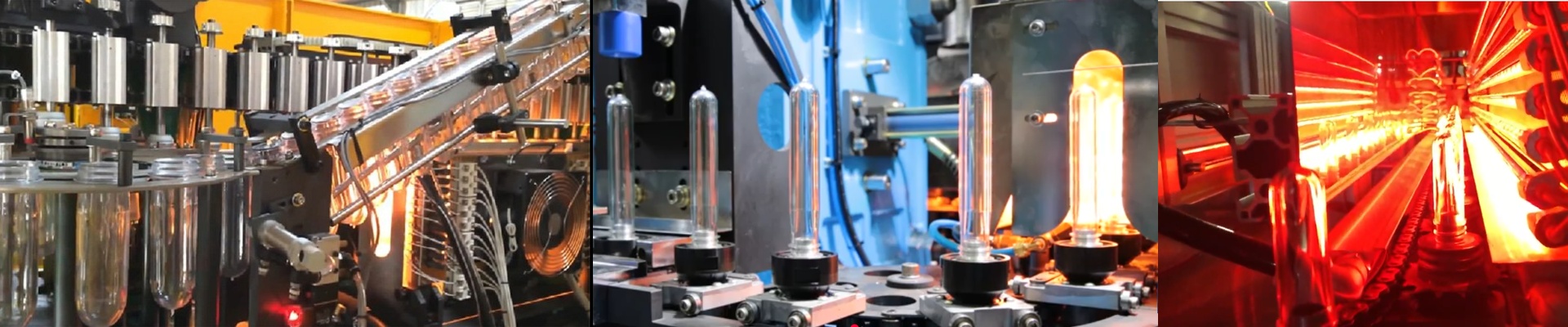
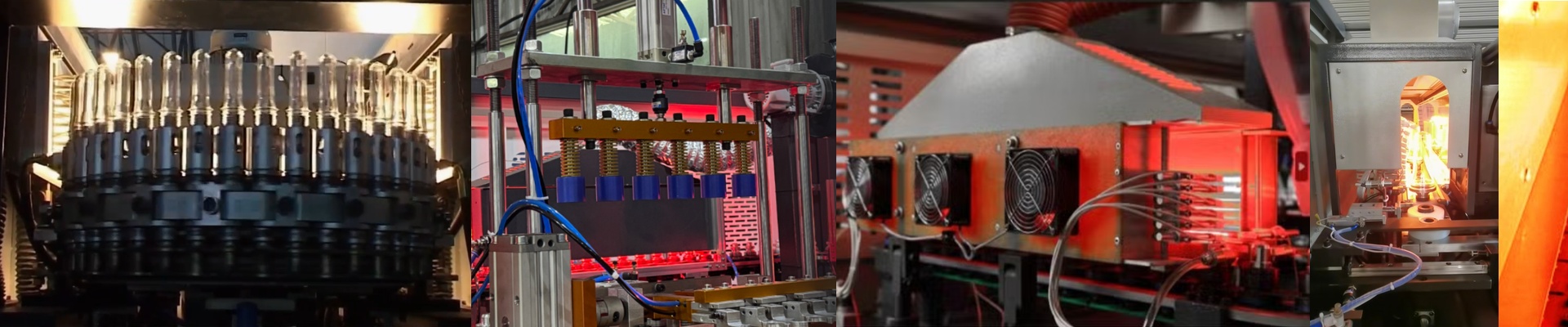
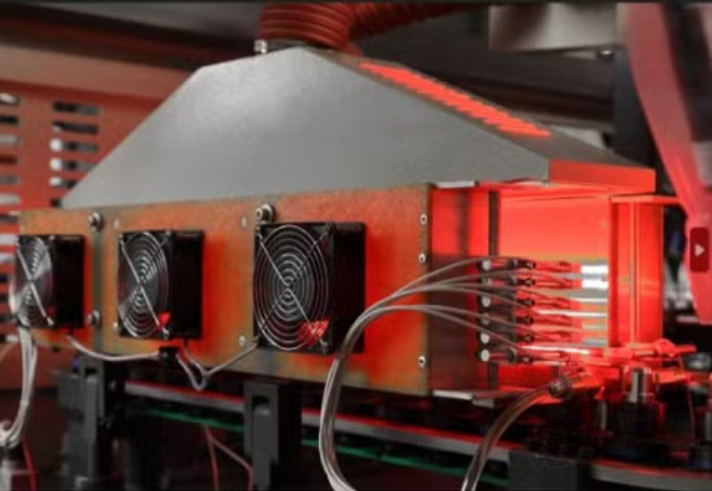
We built the Krones Pet-Aseptic blower heating tube with one thing in mind: SIPA rotary machines. On these systems, consistent heating isn’t just nice to have—it’s the difference between a smooth run and a headache. Our goal was simple: stop output swing caused by heating ups and downs. How? With infrared lamps that are 100% power-matched. They deliver steady, repeatable heat exactly where the PET preform needs it.
The Tech Behind It: Power, Voltage, and Fit
On a rotary machine, the heating window is tiny. So the tube has to pack serious heat density—without overshooting. We match the unit to the machine’s power setup. That way, the electrical connection works clean, and the load stays predictable. Precise wattage and voltage keep energy delivery steady across the heating zone, which means less variation from cycle to cycle. And the size? It’s designed to drop right in. No reworking the blower path. Just swap it in and keep moving.
What It’s Made Of: Quartz, Halogen, and Solid Connections
Inside, it’s a shortwave infrared design—halogen-filled, housed in a quartz envelope. That combo gives you fast response and tight control over temperature rise, because you need heat on demand, not “whenever.” The quartz has a specialized coating that helps keep output stable and protects against the stress of the heating chamber environment. Then there’s the electrical connection. We use proven connectors that lock in clean contact and handle high current without wiggling loose. Because a shaky junction causes voltage drop—and voltage drop turns into uneven heating.
Why It Works: Built for SIPA, Built for Consistency
This setup is tuned for SIPA rotary machines running PET aseptic blowing. When power stays consistent, the lamp tracks the setpoint, and preform heating stays uniform across the whole turntable. The payoff? Fewer rejects from temperature drift. Less time spent chasing heating swings. And because it’s a direct replacement, installation is fast—so the machine spends less time stopped and more time producing. One real-world heads-up: running at full rated power needs cooling and ventilation that’s up to the job. Keep airflow and ambient temperature within the machine’s design limits, and the lamp will keep performing the way it should.