

Why Your IR Heaters Keep Shorting Out (And How to Actually Fix It)
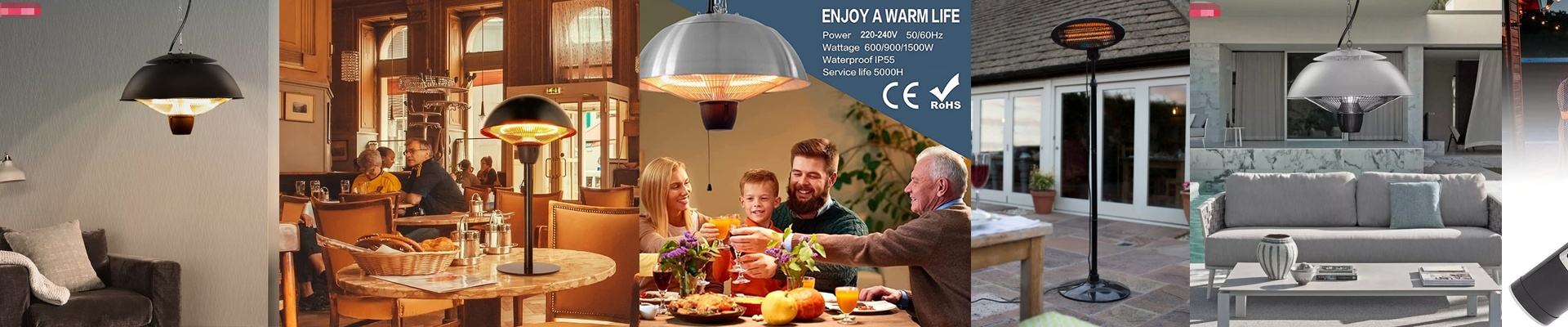
If you’ve ever had a waterproof infrared table heater just… die… you probably know exactly where the problem is. It’s almost always that one spot where the lead-wire meets the heating element. In high-wattage setups, that junction gets hammered. It’s constantly expanding and shrinking as it heats up and cools down. If the seal isn’t perfect, moisture sneaks in. Then the insulation bricks, and you’re left with a paperweight.
The reality of “aging” wires
Here is the thing: most standard assemblies rely on basic silicone or some cheap resin. That works for a while, but once you hit those high operating temperatures, those materials just give up. They crack. Once you’ve got a crack, you’ve got a highway for oxygen and humidity to hit the connection. Things start to oxidize and carbonize. Before you know it, the insulation fails and you’ve got a dead short. Not great. We do things a bit differently. We don’t just “glue” the wires and hope for the best. We use high-temp glass-ceramic seals or specialized potting compounds. The trick is making sure the seal expands and contracts at the same rate as the quartz or metal housing. That’s how you keep it airtight, even when it’s swinging from room temperature to 500°C.
The problem with “cheap” assembly
A lot of shops skip the vacuum-degassing step when they’re potting the wires. It seems like a small detail, but it leaves tiny air bubbles trapped in the sealant. When the heater kicks on, those bubbles expand. They push. They create micro-cracks. And once a crack opens, the lead-wire is wide open to the elements. We make sure the seal is completely void-free. Plus, we use high-spec fluoropolymer insulation on the leads. This keeps the outer jacket from melting or getting brittle, which ensures the electricity stays where it belongs and doesn’t jump to the chassis.
A quick heads-up on installation
There is a trade-off here. Better sealing makes the lead-wire a bit stiffer. You can’t just bend these wires at a sharp angle right next to the seal. If you do, you risk cracking the potting material. When you’re wiring everything up, give yourself a proper service loop. Don’t pull the wires tight against the heater body. If you put too much tension on it, you’re just stressing the seal and killing the waterproofing you worked so hard to get. Give it some breathing room.