Why we put our bathroom heaters through “the torture chamber”
Let’s be honest: bathrooms are a nightmare for electronics. One minute it’s freezing cold, and the next, you’ve got a cloud of steam filling the room. You’ve got high heat, thick humidity, and water droplets landing everywhere. It’s a brutal environment. When it comes to a ceiling-mounted infrared lamp, “hoping for the best” isn’t a strategy. That’s why we put our heaters through damp-heat aging tests long before they ever ship.
The battle against moisture
Here is the problem: moisture loves to find a way in. Water vapor sneaks past seals and settles right on the quartz glass or the connectors. Then, you flip the switch. The lamp hits a massive temperature in a split second, and that moisture evaporates instantly. It’s a shock to the system. Do this enough times, and the seal between the glass and the metal wires starts to give up. Once that seal breaks, oxygen leaks in, the tungsten filament burns out, and—pop—your heater is a paperweight.
How we actually test them
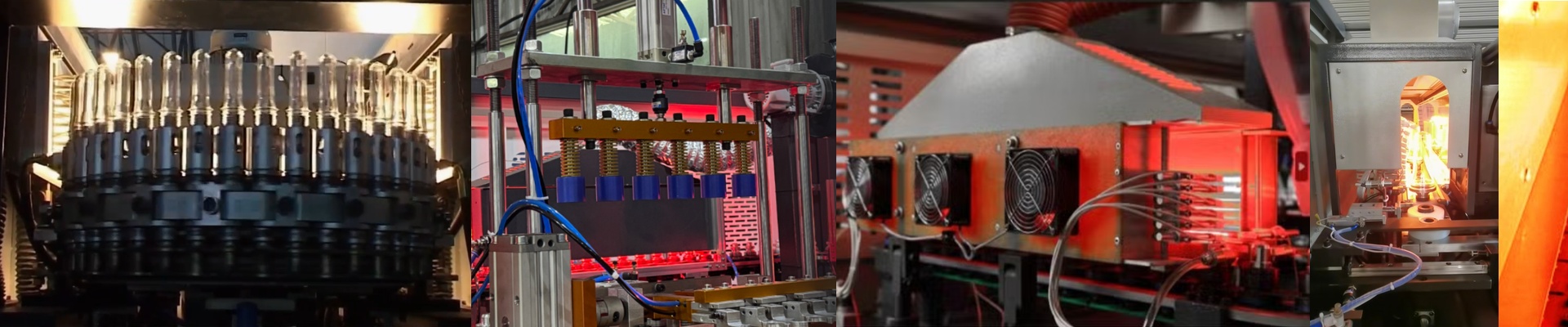
We don’t just spray them with a hose. We lock our heaters in a chamber with saturated humidity and crank up the heat for hundreds of hours. We’re basically forcing the materials to expand and contract over and over again. We’re looking for “creep” in the insulation or any sign of rust on the contacts. We also keep a close eye on leakage currents, because the last thing you want is your GFCI outlet tripping every time you take a shower. If a lamp can’t survive 500 hours of this forced misery, it has no business being in your house for the next five years.
The trade-offs
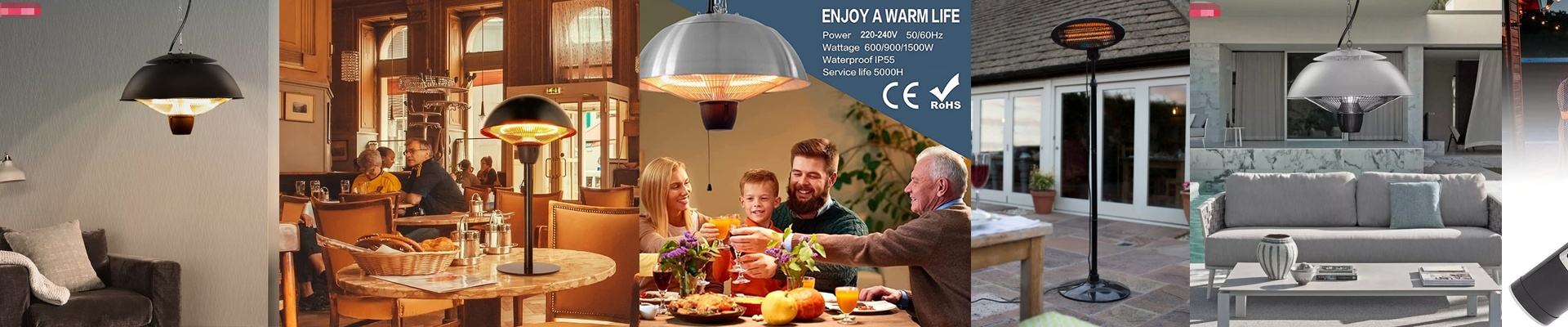
To make this work, we use specific gaskets and coated reflectors to keep corrosion away. It means you get a lamp that doesn’t flicker or die after a month of use. Now, there is a tiny catch. Because these seals are so tight, the heat distribution is a little different than what you’d see in an open-frame industrial lamp. But honestly? It’s a trade we’ll make every single time. Safety in a wet room is a non-negotiable. It’s better to have a slightly different heat pattern than a heater that fails when you’re standing underneath it.