
How to Pick the Right Infrared Heater for Your Bathroom
Nobody likes that freezing shock when you step out of a hot shower into a cold bathroom. It’s the worst. But here’s the thing: if you just buy the biggest heater you can find, you’re either wasting a ton of money on electricity or, worse, turning your bathroom into a sauna. Getting the wattage right is everything.
Finding the Sweet Spot
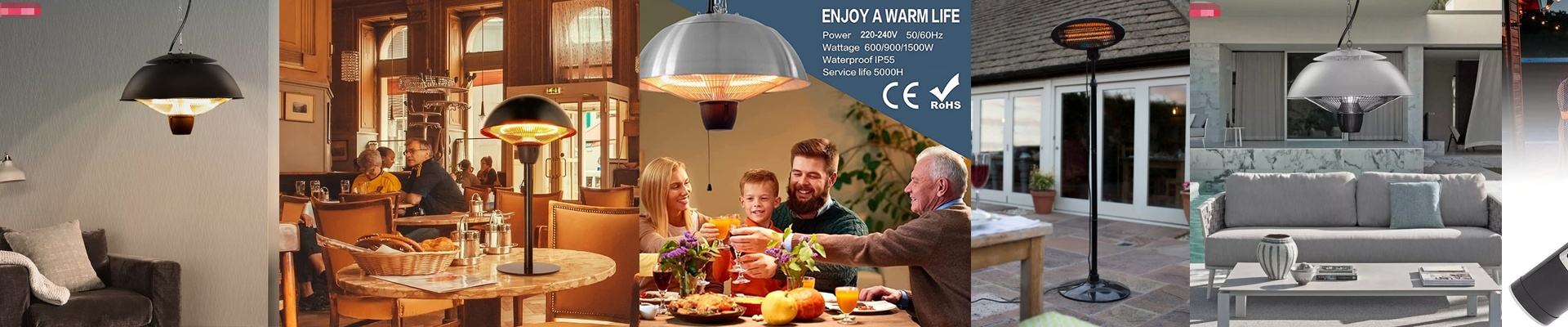
It really comes down to how much space you’re trying to warm. If you’ve got a tiny powder room—you know, those little spaces where you can barely turn around—a 600W to 800W shortwave lamp is usually plenty. It’ll get the job done without overheating the room. But if you’re dealing with a big master bath or maybe an outdoor gazebo area, you’ll want to jump up to 1500W. Or, if the room is shaped weirdly, you might be better off with a few smaller units spread out. **Be careful here.**If you cram a 1500W lamp into a tiny shower stall, it’s going to get way too hot. The safety switch will probably trip, and you’ll be left in the cold anyway. On the flip side, a weak lamp in a huge room is basically useless. The heat just disappears into the air before it ever touches your skin.
The Trade-off with High Power
A 1500W lamp is great because it warms you up instantly. It doesn’t bother heating the air; it just hits you with that cozy, direct warmth. But there’s a catch. That much power puts a real strain on your wiring. You’ve got to make sure your circuits can actually handle the load, otherwise, your wires could run hot, and that’s a problem you don’t want. Most people go with shortwave lamps because they kick in immediately. The only downside? They can be blindingly bright. If you’re using one in a bathroom, look for lamps with a special coating. It kills the glare so you aren’t squinting while you’re brushing your teeth.
A Few Pro Tips for Setup
Where you put the lamp matters just as much as the wattage. Mount it right over where you’ll actually be standing—usually the vanity or right outside the shower. And for heaven’s sake, don’t put it directly under a ventilation fan. The fan will just suck all that lovely heat away before you can feel it. Oh, and put it on its own switch. That way, you only run it when you actually need it, and you aren’t burning cash when the room is empty.