Introduction
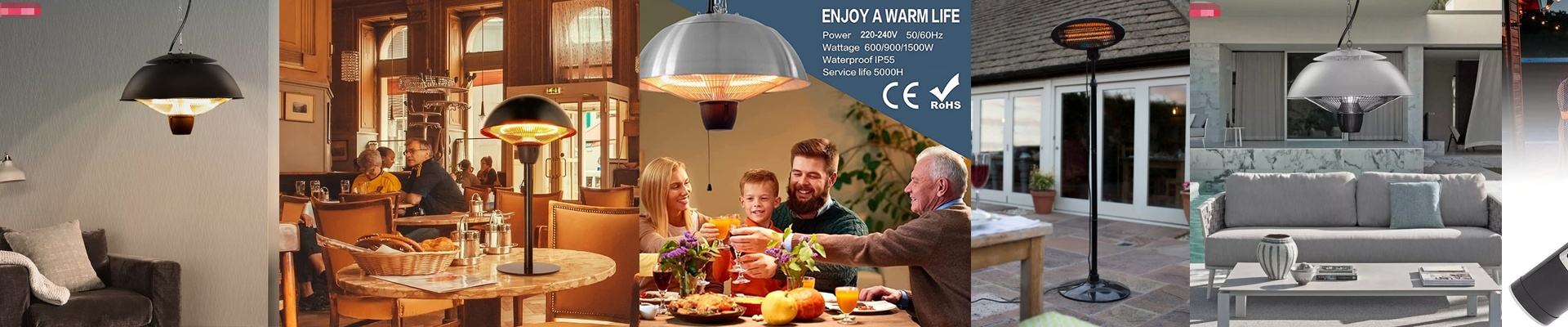
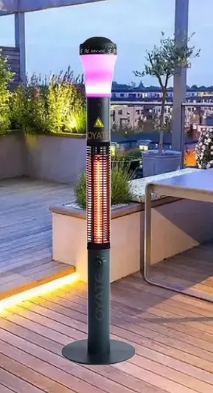
We built this waterproof infrared patio heater for nightclubs. You know the scene—constant moisture, dust, and a river of foot traffic. It’s a tough environment. So we designed this thing to be tough. The core is a modular heating element, and that’s the whole point. If a burner gives up after five years of hard work, you don’t have to tear the whole unit apart. You just swap in a new module. Simple as that.
The Inside Story
Under the hood, it’s all about power. The unit runs on a 400V supply, pushing 2500W of heat through a compact 300mm tube. That’s how we get that intense, focused infrared warmth. It doesn’t just warm the air—it heats people and surfaces directly. And that 400V input? It’s smart. It lowers the current draw on the wiring, which makes the whole electrical setup simpler and cuts down on energy loss over distance.
What It’s Made Of
The heating element itself is a halogen-filled quartz tube. Quartz handles the shock of rapid heating and cooling way better than standard glass. The halogen gas inside protects the filament, which helps it last longer. And the whole thing is sealed up tight with an IP55 waterproof rating. So a direct spray from a cleaning hose or a sudden downpour? No problem. It won’t short out.
The Secret to Easy Fixes
Here’s the best part—the modular design. The heating tube uses a standard R7s base. When a tube finally burns out, you don’t need a service crew. You just unclip the old module and snap the new one in. It’s a drop-in replacement.
Why This Matters for Your Patio
On a nightclub patio, downtime is lost money. If a standard patio heater fails, you have to shut down a whole section of seating for hours. With our modular approach, a single failed heater is back up and running in minutes. We built this to keep your space running. The waterproof housing keeps the electronics safe, and the quick-swap module handles the wear and tear. Now, a heads-up: this 2500W unit packs a serious punch. That means you’ve got to plan the mounting location and clearances carefully to avoid overheating nearby materials. But if you want a heating system that’s reliable, easy to maintain, and keeps your customers warm, this is the most practical way to get the job done.