
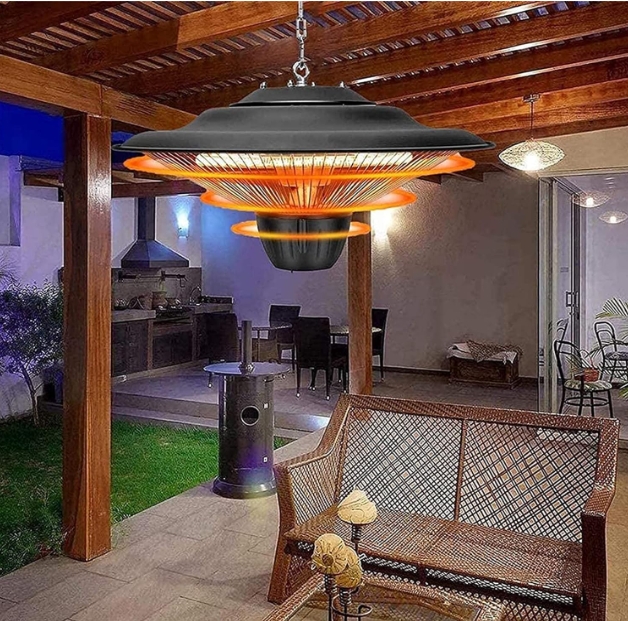
Introduction
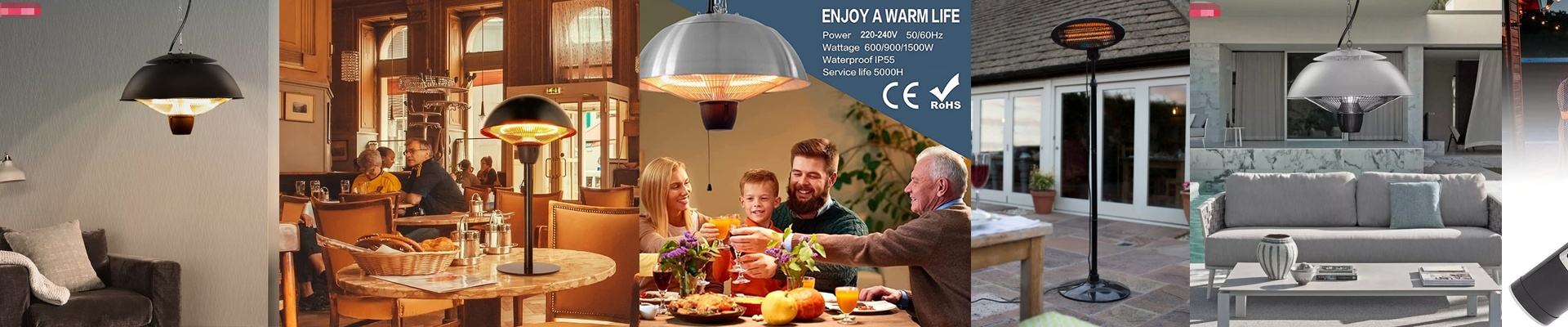
Here’s the thing about building electric patio heaters for bathrooms and outdoor spaces: the real challenge isn’t just making heat. It’s making heat that you can count on, even when it’s pouring, freezing, or just plain humid. We’re talking about consistent infrared warmth, wrapped in a waterproof package that can take a beating. So before a heater ever sees your bathroom wall or your back deck, we put it through the wringer. We age every single unit in hot, humid chambers, because the weaknesses that cause failures out in the real world only show themselves when you push things hard for a long time.
What Makes It Work: Power and Specs
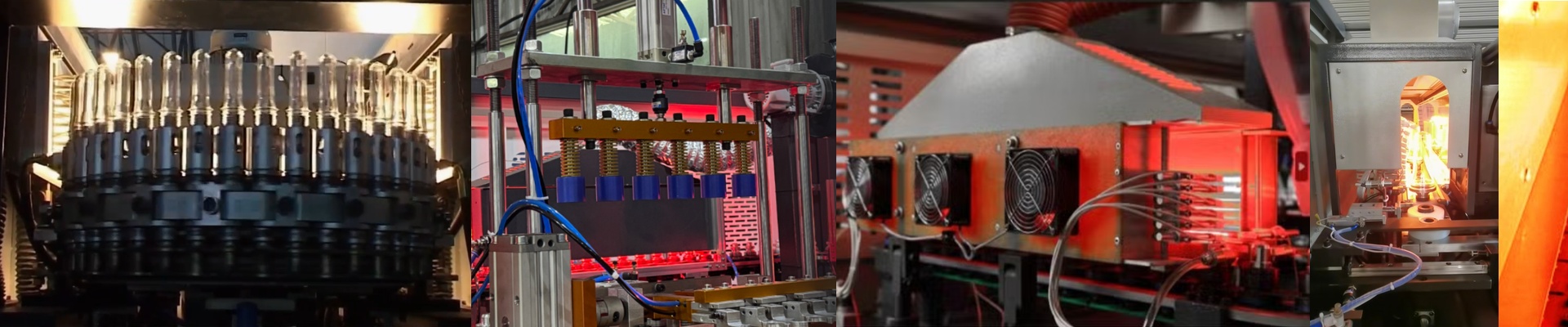
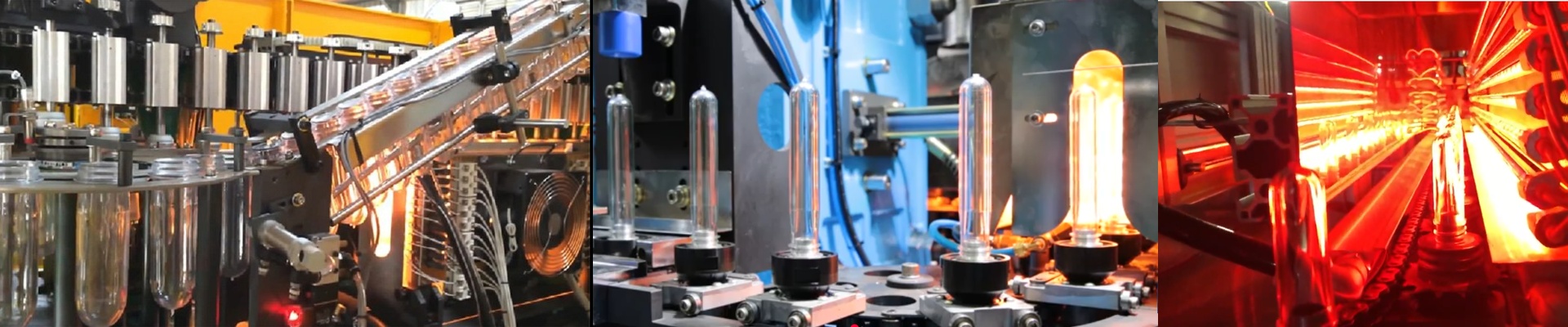
Infrared heating is all about packing a lot of energy into a small space. That’s why our heaters are built to run at a steady voltage and wattage. It’s how we make sure the filament and the quartz tube get to the right temperature, every single time. And it’s not just about the power. The shape matters, too. The length and diameter of the tube determine the heat pattern you feel from a few feet away. When we specify a wattage, it means the wiring, the connections, and the whole design are all matched to handle long, continuous use without the joints getting dangerously hot.
The Good Stuff: Quartz, Halogen, and the R7s Connection
We use a quartz envelope because it can handle the shock of going from cold to searing hot without cracking. Regular glass just wouldn’t cut it. Inside, the halogen cycle keeps the filament stable, so the light and heat don’t fade over time. But a waterproof heater is only as good as its weakest link. That’s why we use an R7s connector. It gives you a solid, low-resistance connection that’s quick to install and stays put. In a wet environment, a loose connection is just asking for trouble—corrosion, failure, the whole nine yards.
Real-World Use: Heat That Can Take a Beating
Think about a bathroom. It’s a one-two punch of high humidity and the heater going on and off all the time. Outdoors, you’ve got rain, condensation, and wind-driven moisture. Our aging tests put our heaters through those exact conditions, for longer than you’d ever imagine. We’re looking for any sign of moisture getting inside, insulation failing, or corrosion on the terminals. The payoff is a heater you can wire up and trust. It’s a dependable drop-in replacement for what you already have. Just one heads-up: all that concentrated heat means you need to manage the temperature around the mounting spot. Make sure the materials and wiring nearby are rated for sustained high heat.