Stop Waiting for Your Oven to Catch Up
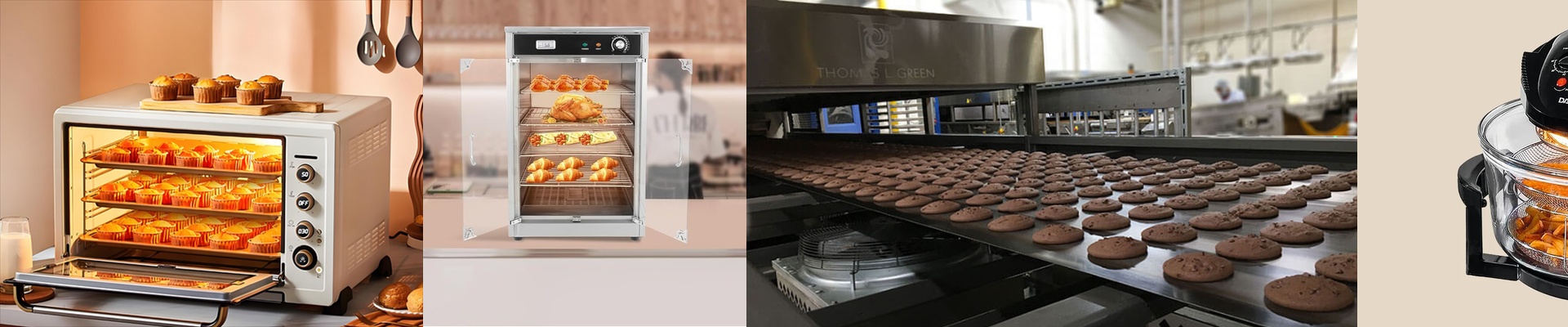
If you’re running a high-volume bakery, you know the frustration of the “recovery lag.” You slide in a fresh batch of cold dough, and suddenly your oven temperature tanks. You’re stuck waiting for those old-school resistive elements to claw their way back up to heat. It kills your rhythm. That’s why we use shortwave infrared (IR) replacement heaters. It’s all about cutting out that dead time. Why it actually works Most ovens try to heat the air, and then hope the air heats the bread. It’s a slow process. IR is different. It sends electromagnetic radiation straight into the product. We call this “second-level response.” In plain English? The moment you flip the switch, the heat is there. No waiting. No idling. You can push your production faster and maybe even reclaim some floor space because you aren’t relying on a massive, slow-heating chamber to do the heavy lifting. A quick word of caution on power Here is the thing: when you swap in a high-wattage IR tube, you’re packing a ton of energy into a very small space. That’s where the speed comes from, but it puts a lot of pressure on your gear. Before you plug in, double-check your wiring. If your cables or controllers aren’t rated for the voltage and amperage of the new lamp, you’re asking for trouble. Undersized wiring will fry your connectors, and that’s a headache nobody needs on a busy Tuesday. Keeping things running We made these as drop-in replacements so you aren’t offline for days. They fit standard mounts, which is great, but there is a catch. Shortwave IR uses quartz glass, and it’s picky. If flour dust or oil builds up on the tube, it creates a “hot spot.” Those spots will crack your tube way sooner than they should. Keep them clean. It’s a simple chore, but it saves you from an expensive mid-shift failure. And remember, this isn’t a “soak” oven. The heat is intense and focused. You’ll need to tweak your conveyor speed or your loading timing. If you don’t, you might end up with a perfect crust and a raw center—or worse, a scorched top. Just a bit of calibration, and you’re golden.