Keeping Your Bathroom Infrared Heaters Running
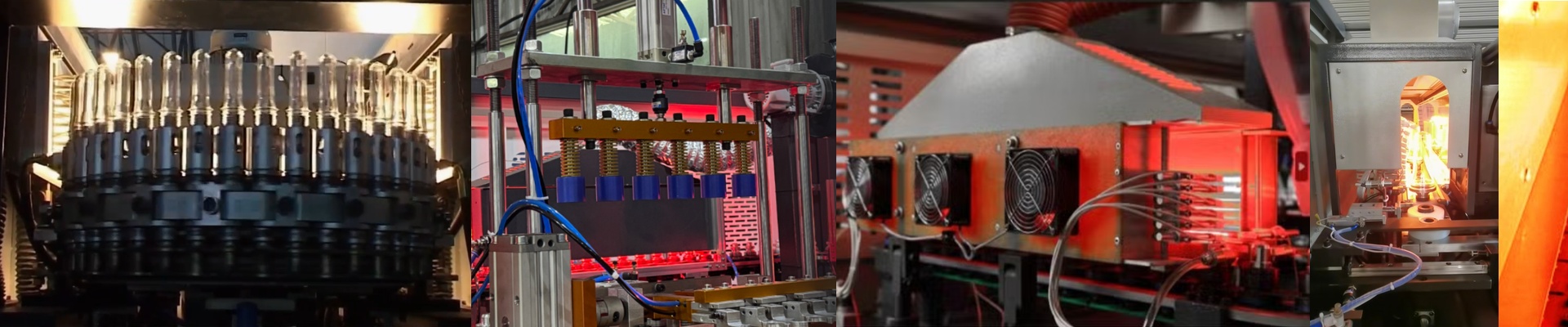
Bathrooms are brutal on electronics. You’ve got steam, humidity, and constant temperature swings. Eventually, those infrared heating elements are going to give out—it’s just physics. That’s why we didn’t want to build a heater you have to throw away the moment one part breaks. We built ours to be modular. The goal? Making sure that when the five-year mark hits, you aren’t staring at a dead unit and a massive repair bill. Why modular actually matters Most heaters on the market are sealed shut. If a tube pops, the whole thing is basically trash. We hate that. Instead, we treat the heating element like a part you can just swap out. We used standard brackets and quick-disconnect terminals so you aren’t fighting with the hardware. If a tube dies after years of heavy use, you don’t have to rip out the wiring in your wall. You just pop the old module out and slide a new one in. It turns a stressful afternoon of downtime into a five-minute fix. The nitty-gritty on the tech We went with short-wave infrared. Why? Because it warms you up instantly, rather than trying to heat up the damp, heavy air in the room. But there’s a catch: short-wave tubes get hot. Really hot. That puts a lot of stress on the connectors. To stop the plastic from warping or melting over time, we used high-temp ceramics for the sockets. It’s a small detail, but it’s the difference between a heater that lasts and one that melts. One thing to keep in mind: power. A higher wattage tube gets you warm faster, but it pulls more from your electrical panel. Just double-check your breaker capacity before you go for the high-power modules. You don’t want to be flipping switches in the dark. Real-world repairs Replacing a part is only easy if you can actually reach it. We designed the chassis so you don’t have to tear the whole heater off the wall just to get inside. You just unscrew the faceplate, swap the module, and you’re back in business. It’s simple enough that any facility manager can knock it out without having to call in a specialist and pay those emergency contractor rates.