Why We Torture Our Bathroom Heaters (And Why You Should Care)
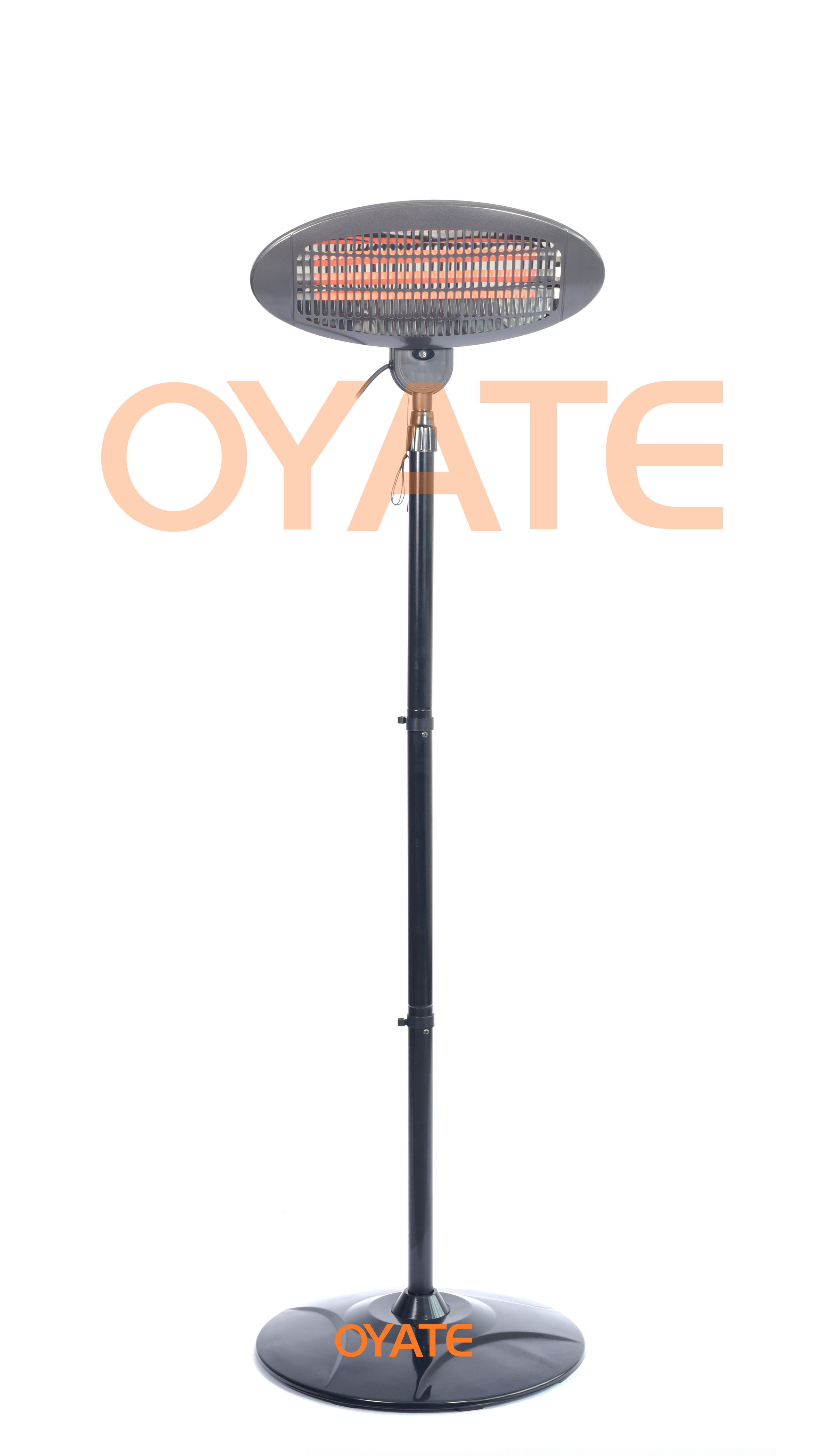
Let’s be honest: bathrooms are a nightmare for electronics. You’ve got thick steam, constant humidity, and temperatures that swing from freezing to sauna-hot in minutes. It’s a brutal environment. We build our infrared mirror heaters to survive this, but we don’t just “hope” they work. We put them through some pretty intense damp-heat aging tests first. The real reason lamps die Most people think a lamp burns out because the filament just gives up. But usually, it’s a seal issue. A tiny bit of moisture sneaks into the quartz envelope, hits that glowing hot tungsten, and—boom—instant oxidation. The lamp is dead. To stop this, we use chambers that mimic years of bathroom steam in just a few weeks. We crank the humidity to the max and flip the power on and off, over and over. If a seal is weak or a connector is going to rust, we want it to happen in our lab, not in your customer’s house. Finding the sweet spot with materials We use high-purity quartz glass. It’s great because it lets the infrared heat through perfectly, which is how the mirror clears its fog so fast without eating up all your electricity. But quartz has a quirk: it hates “thermal shock.” If you cram a high-wattage element into a space without enough breathing room, the heat builds up and the glass can actually crack. We spend a lot of time balancing the wattage and the tube size so the glass stays strong, no matter how many times you click that switch. Keeping it real about longevity Look, nothing lasts forever. Even with all our testing, the life of a lamp depends a lot on the power coming out of the wall. Voltage spikes are killers; they wear down the filament way faster than they should. We build our heaters to handle a tight range, but the wiring in the building still matters. That initial surge of current when you turn it on is where the real stress happens. We aren’t going to promise “perfection” because that’s not how engineering works. What we do provide is reliability backed by actual data. We beat the hell out of our heaters in the lab so they can actually do their job in the real world.