Why Most Outdoor Heaters Die Early (And How We Fixed It)
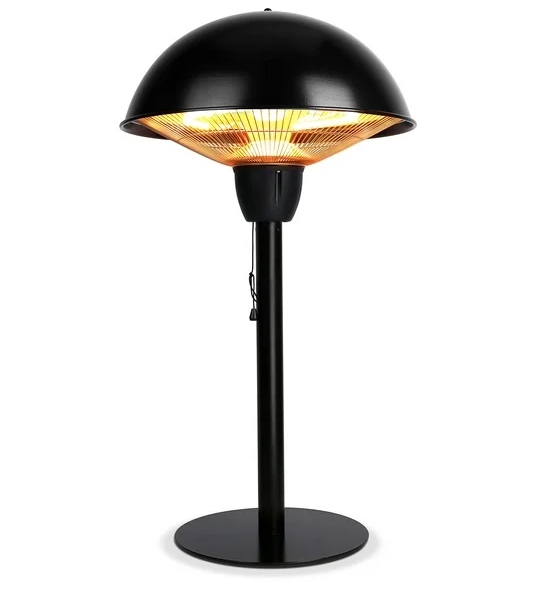
Let’s be honest: putting a heater outside is basically inviting nature to try and kill it. Between the sudden rain showers and that thick, clinging humidity, moisture is the enemy. Most units just can’t handle it, and they burn out way sooner than they should. We wanted to build something that actually lasts, so we focused on the two things that usually wreck these machines: splashes and fog.
Keeping the Water Out
Here is the thing about water and heat: they don’t get along. If a stray cold droplet hits a glowing hot filament, the glass can literally crack from the shock. It’s a quick way to ruin an expensive piece of gear. To stop that, we designed housings that act like a shield, pushing water away from the electrical guts. We used heavy-duty gaskets and sealed the connection points tight. No seeping, no corrosion, and no burnt-out terminals when the weather turns nasty.
The Fog Problem
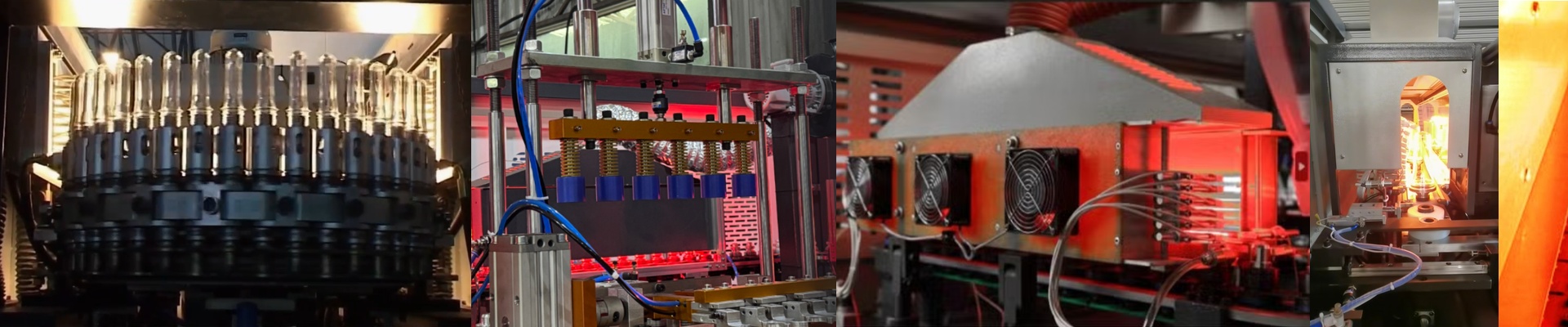
You’ve probably seen it—that cloudy film that builds up on a lens or reflector when it’s humid. It looks harmless, but it’s actually a heat killer. That fog scatters the infrared rays, meaning you get less warmth and the unit has to work twice as hard to do its job. Our fix? We built a specific path for the air to move. By keeping the airflow just right, the surface stays warm enough to keep the dew point at bay. The result is a crystal-clear lens and heat that actually hits you where it should.
The Balancing Act
Now, you might think, “Why not just seal the whole thing in a plastic box?” Well, if you do that, the heater basically cooks itself from the inside. It needs to breathe. That’s why we spent so much time balancing waterproof seals with strategic vents. You get a heater that can take a beating from the rain but still stays cool enough to run safely. Just a quick tip: when you’re mounting it,**don’t block those vents.**If you do, the thermal cutout will trip and shut everything down. Follow the airflow specs, and this thing will keep you warm for years.