Stop Heating Your Ceiling: A Smarter Way to Warm Up Your Factory
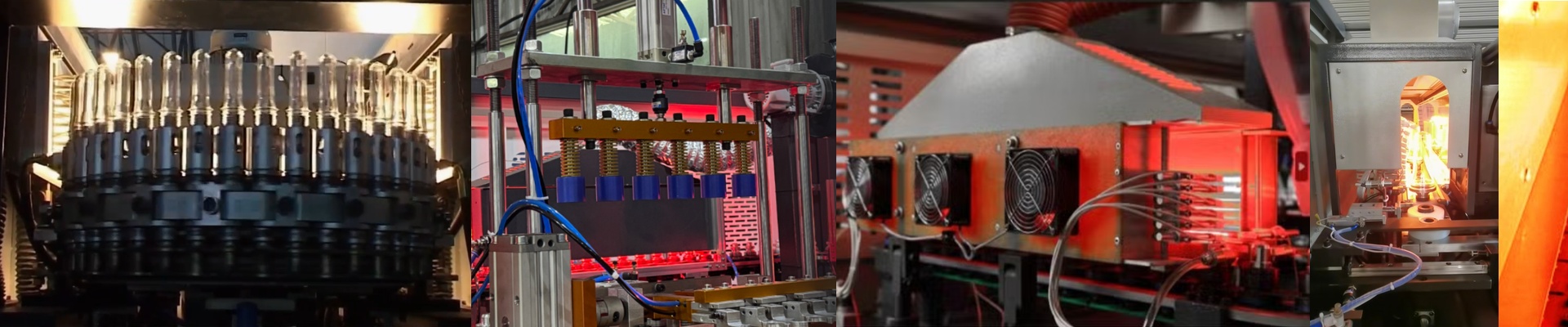
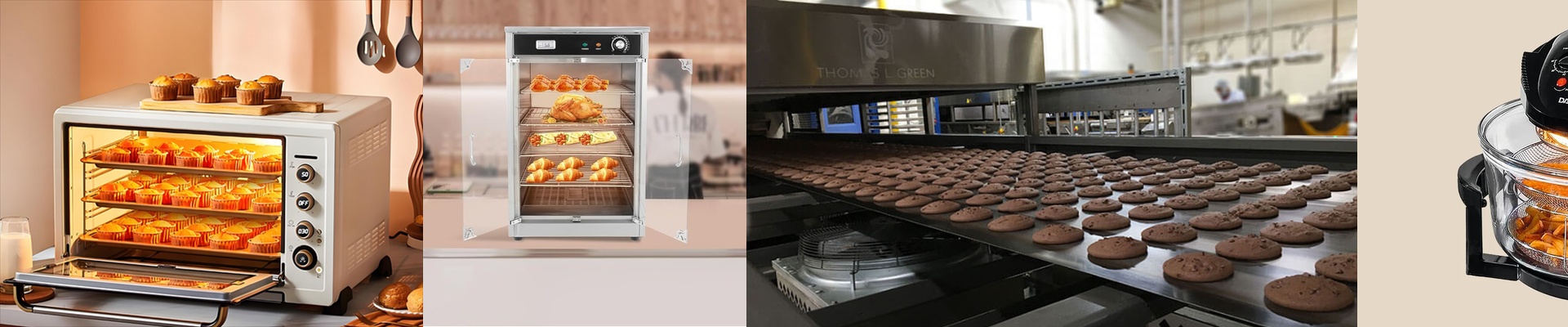
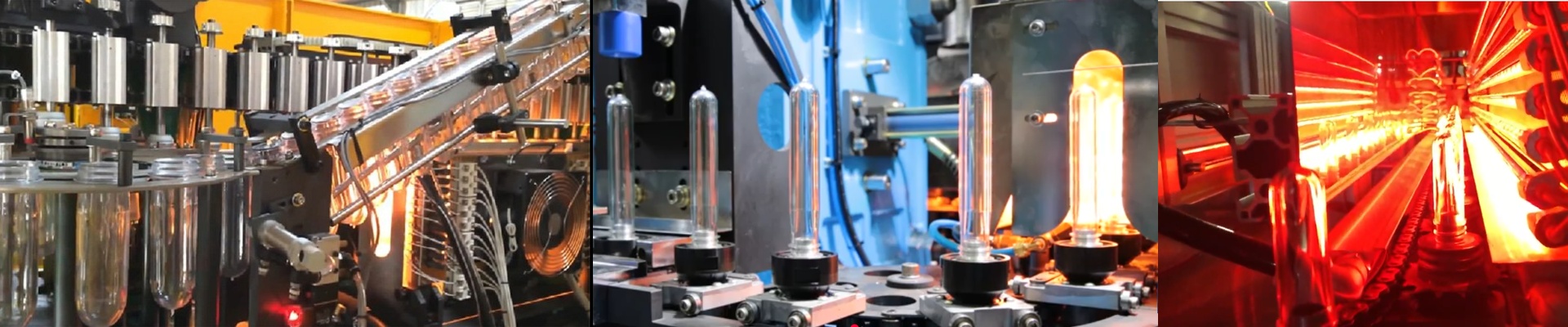
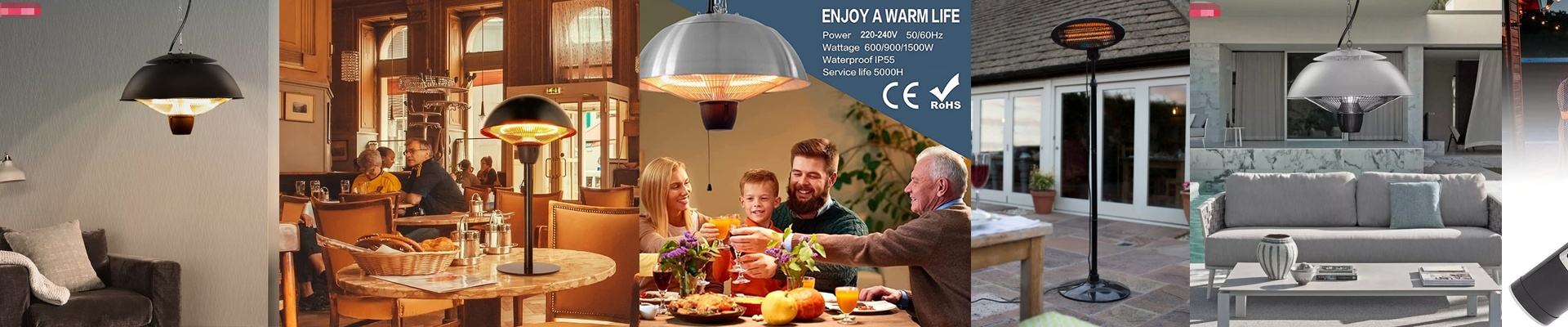
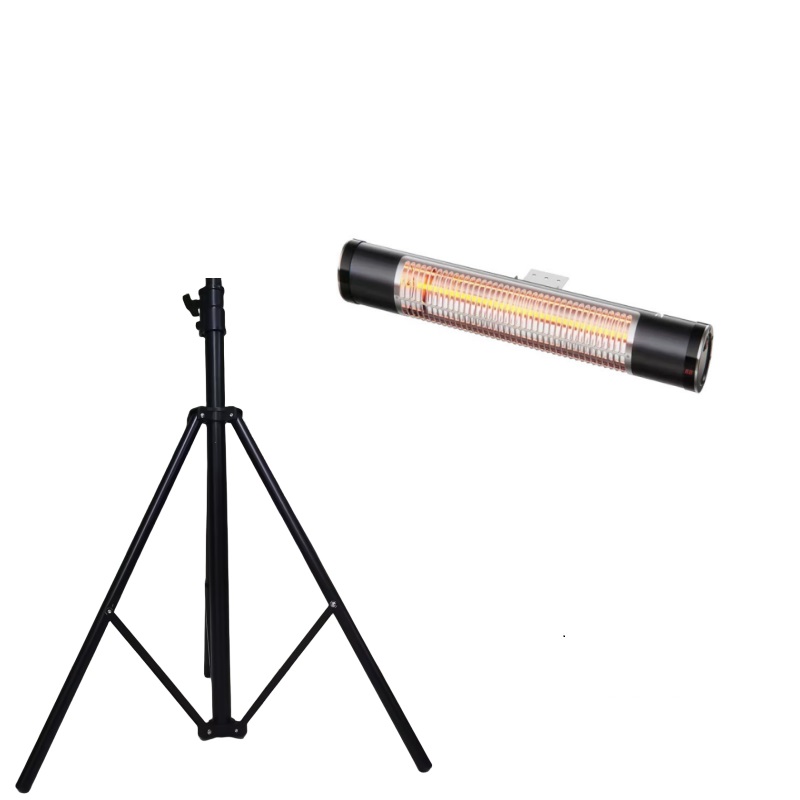
If you’ve ever worked in a factory with high ceilings, you know the struggle. You crank up the heat, but all that warmth just floats straight to the roof. You’re basically paying to keep the rafters cozy while your team is shivering on the floor. That’s why we use short-wave infrared (IR) radiators. Instead of trying to warm up the entire volume of air, these things beam heat directly onto people and equipment. It’s like stepping into sunlight on a cold day. The air in between doesn’t matter; you just feel the warmth instantly. Making it “Smart” Now, you could just flip a switch, but that’s old school. When you hook these heaters up to an industrial IoT gateway using things like Modbus or Zigbee, everything changes. You stop guessing and start scheduling. Imagine waking up and hitting a button on your phone to “pre-heat” the floor. By the time your crew walks through the door for the morning shift, the workspace is already warm. No more waiting an hour for the building to catch up. Speed is Everything The best part? These heaters don’t need to “warm up.” Boilers are slow. They take forever to get moving. But IR lamps? They’re nearly instant. The second the current hits the filament, you feel the heat. We usually pair these with motion sensors and temperature probes. If a certain bay is empty, the system just kills the power. It’s a simple way to stop throwing money away on heating an empty room. The “Gotchas” (Read This Part) Here is the catch: you can’t just buy a cheap smart plug from a hardware store and call it a day. Industrial IR lamps pull a lot of power. If you use a flimsy smart switch, the electrical load will fry the contacts in a few weeks. You’ll be smelling burnt plastic real fast. You need heavy-duty industrial relays to handle the heavy lifting. The smart hub sends a tiny, low-voltage signal, and the relay does the hard work of switching the high-voltage power. Also, make sure your signal wires are properly shielded. Factories are noisy places—electrically speaking—and you don’t want other machinery messing with your heat settings.