Getting Your Husky HyPET Heating Right
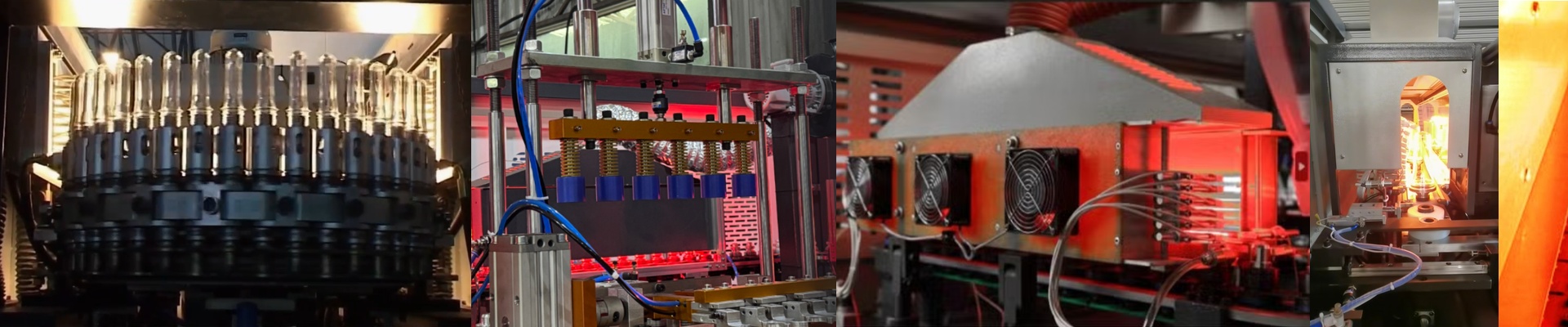
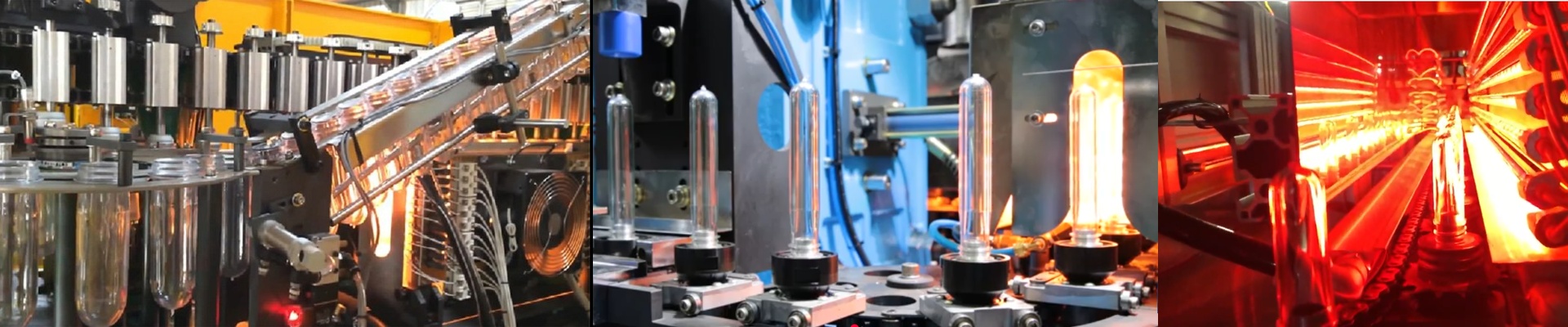
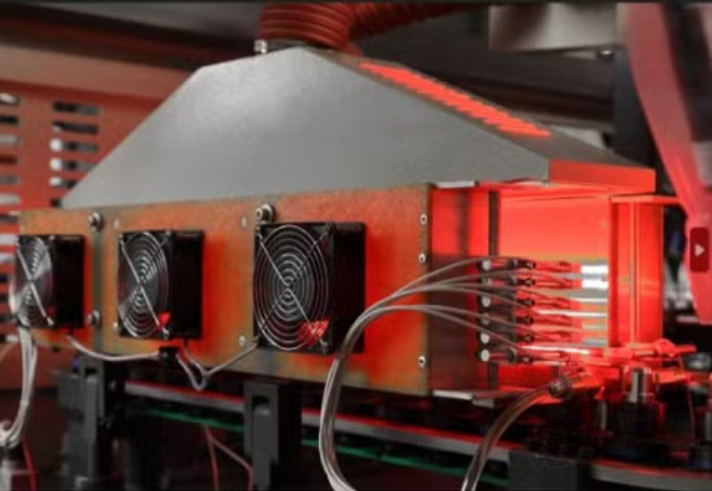
If you’ve spent any time around high-speed PET blowing, you know the struggle. You need that preform to hit a very specific temperature before it stretches. But too often, you end up with a nightmare scenario: the outside of the plastic is practically burning, while the core is still cold. It’s frustrating. And it ruins your bottles. We built our IR lamps specifically for the Husky HyPET setup to stop that from happening. Getting the heat where it actually matters The secret is in the short-wave infrared (SWIR) emission. Instead of just heating the surface, we focus on the wavelengths that the PET polymer actually likes to soak up. We do this by tweaking the tungsten filament density and using high-purity quartz glass. The result? The heat actually penetrates the core. No more “burnt skin” on the outside while the center stays frozen. The nuts and bolts These are simple drop-in replacements. No hacking your machine or praying they fit. We use a high-voltage config to cram more wattage into shorter tubes. This gives you a much stronger heat flux per square millimeter. Plus, the connectors are precision-machined. They fit tight, which means you don’t have to worry about arcing at the terminals when you’re running high cycles. One more thing: we use heavy-wall quartz. Why? Because these ovens get insanely hot. Cheap tubes bow and warp. When a tube warps, your focal point shifts, and suddenly your heating isn’t uniform anymore. Our tubes stay straight. Real talk: The shop floor Here is the catch. These high-density lamps pull a lot of power. Before you swap them in, just double-check that your electrical setup can handle the surge when those oven banks kick on. And please, check your cooling blowers. Since we’re pushing way more energy into the plastic, your airflow has to be spot on. If your blowers are clogged, the oven temp climbs, and you’re looking at melted wiring or blown lamps. One last tip: Keep your reflectors polished. It sounds like a chore, but a dirty reflector can waste 20% of the heat we’re trying to pump into the plastic. A quick clean saves you a lot of money.