Why Your Bathroom Heater Keeps Dying (And How to Actually Fix It)
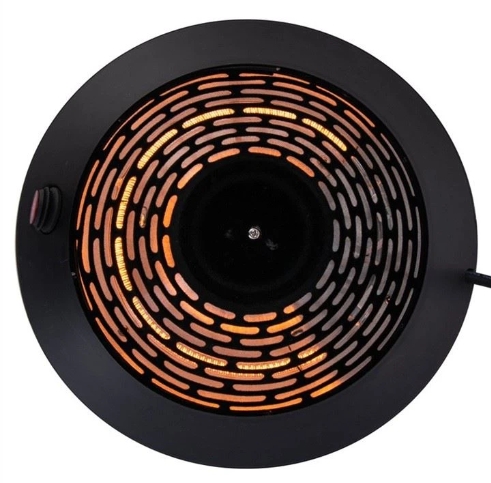
We’ve all been there. You step out of a hot shower, flip the switch on that old-school halogen lamp heater, and… nothing. Or worse, a loud pop and a trip to the breaker box. The problem is simple: bathrooms are brutal on electronics. Steam and stray splashes sneak into those cheap housings, eat away at the heating elements, and eventually short the whole thing out. It’s a cycle of buying a heater, watching it corrode, and replacing it two years later. Enter the IP66 standard. Now, “IP66” sounds like a serial number, but all it really means is that the unit is practically airtight. While your average heater (usually IP44) lets fine mist seep in, an IP66 unit is built to handle actual water jets. We use heavy-duty gaskets and reinforced casings to keep the guts of the machine bone-dry, even if you’re splashing around in the shower right next to it. But it’s not just about the seal; it’s about how you actually feel the heat. Most heaters try to warm up the air in the room. That takes forever. These infrared units work differently. They send heat in a straight line, hitting your skin and warming you up instantly. It’s that immediate “ahhh” feeling the second you turn it on. No waiting around in a cold room. A few things to keep in mind before you install one. These units pack a punch, which means they pull a lot of power. If your wiring is old or undersized, you’re going to trip your breakers or—even worse—notice the heater just isn’t getting as hot as it should. If you’re putting in more than one unit, just do yourself a favor and run a dedicated circuit. It saves a lot of headaches down the road. Also, because they get so hot so fast, give them some breathing room. Don’t mount them flush against anything that could melt or burn. Yeah, the IP66 casing makes the unit a bit bulkier. But honestly? I’d rather have a slightly larger heater that actually works for a decade than a slim one that dies the moment the room gets steamy.