Stop Fighting Your Blow Molding Oven
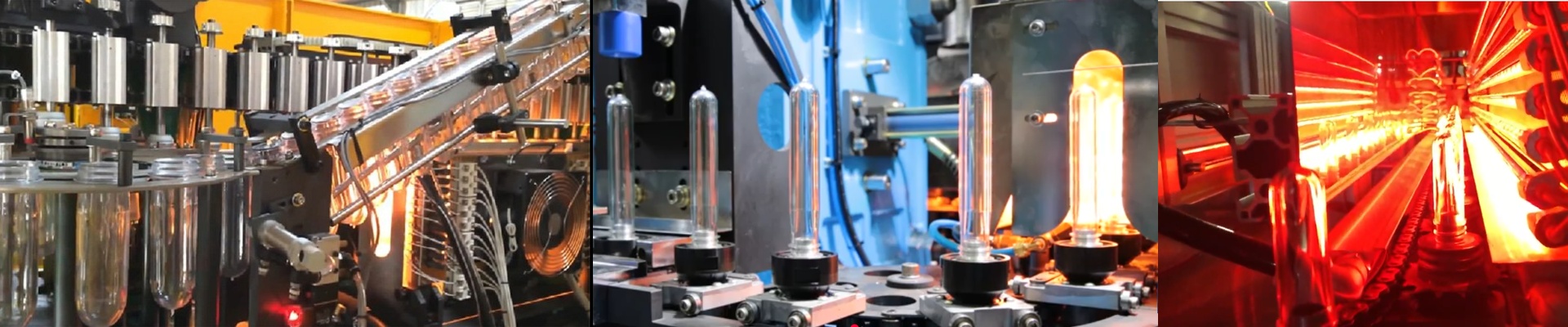
If you’re running an older Sidel or a mid-tier machine, you know the frustration. You look at your preforms and see those annoying cold spots. Then you get wall thickness variations that make the whole batch look off. Most operators I talk to try to fix this by just cranking up the voltage. But here’s the thing: that’s a shortcut to burning out your filaments. You’re not fixing the heat; you’re just killing your hardware. The real answer is simpler. You just need to swap those worn-out lamps for certified replacements that actually hold their tolerances.
It’s All About the Heat Density
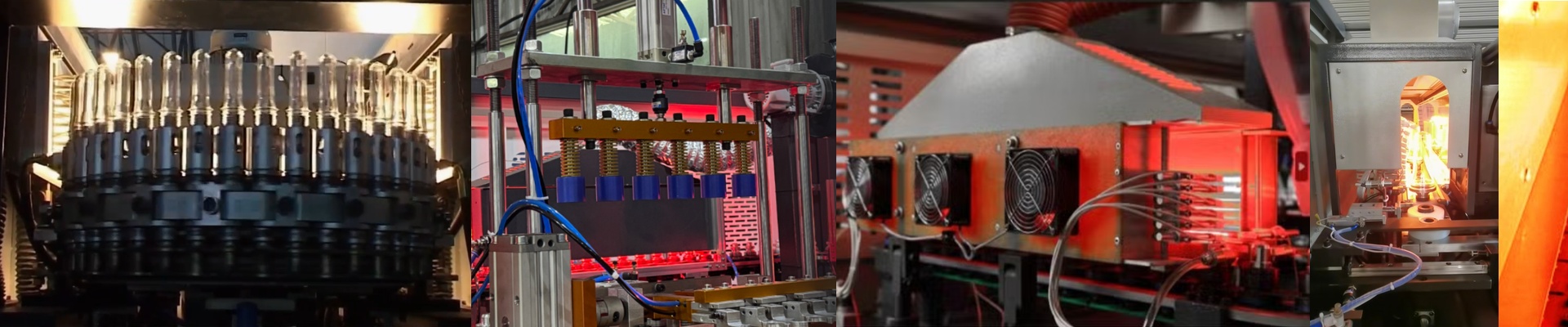
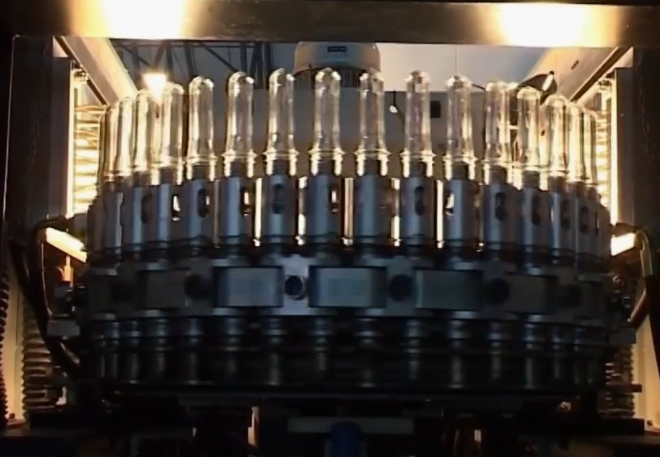
A good replacement lamp isn’t just a piece of glass. We focus on the exact wattage and voltage ratios so the infrared radiation hits the PET at just the right frequency. It’s about getting the plastic to absorb heat fast. When you drop in a higher-wattage lamp, you’re increasing the heat density. This is where the magic happens. You can actually speed up your conveyor or shorten your oven length, and the plastic stays perfectly pliable. It just works better.
The Nitty-Gritty Stuff
We use high-purity quartz glass because nobody wants their lamps clouding over after a few weeks. Then there are the connectors—usually R7s or SK15. You want a tight fit. If the connection is loose, you get arc points, and that’s a great way to fry your sockets. We also make sure the halogen cycle keeps the filament centered. If that filament sags, your heat profile shifts. And when that happens, your bottles come out uneven.
A Few Things to Watch Out For
Now, there is a trade-off. High-output lamps pull more power. Before you swap them, take a look at your wiring and power supply. If you push more wattage through an old oven, things get hot—and I don’t mean the preforms. I mean the ambient air. Check your cooling fans. Clean them out. If they aren’t humming along, you risk warping your reflector plates. And one last tip: check those reflectors. If they’re pitted or oxidized, the best lamp in the world won’t save you. The heat needs to bounce back into the preform to do its job. If the mirrors are shot, the heat just disappears.