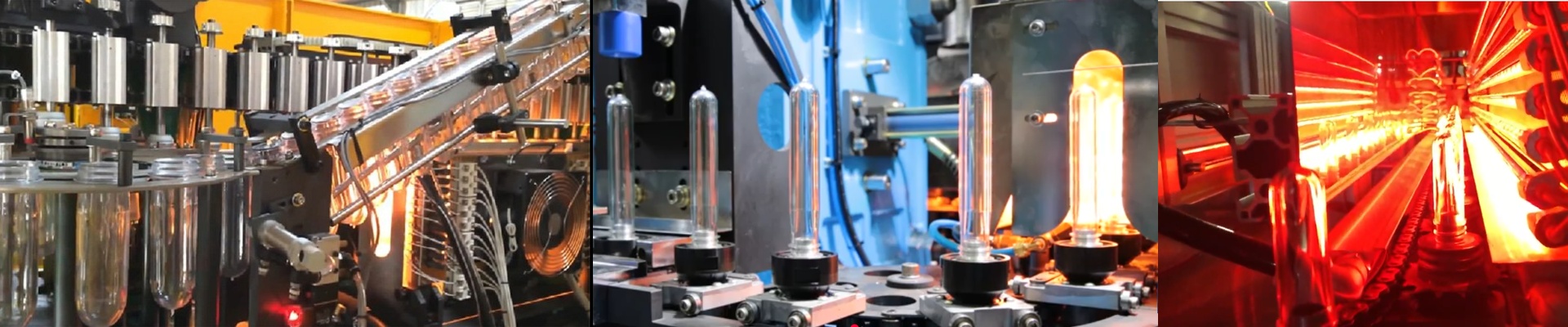
Stop Fighting with Your SIPA Blower Heating
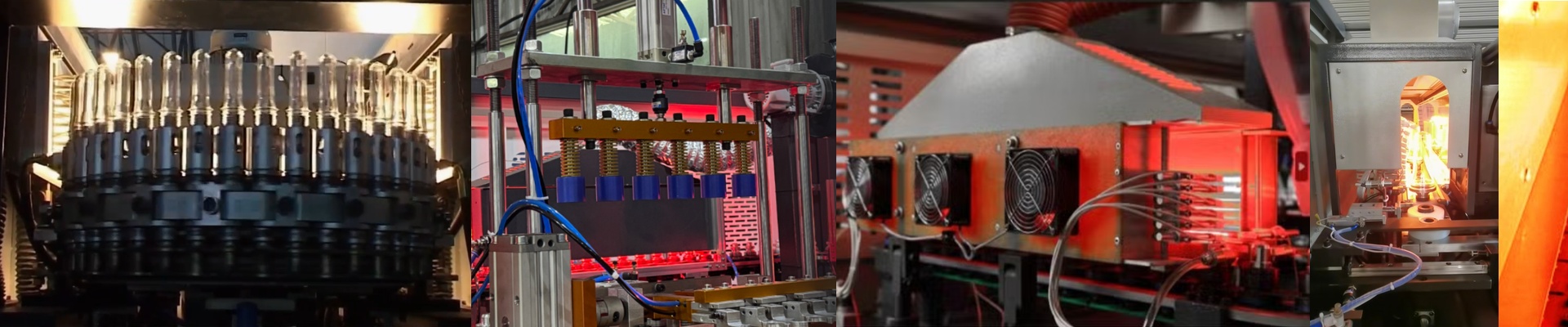
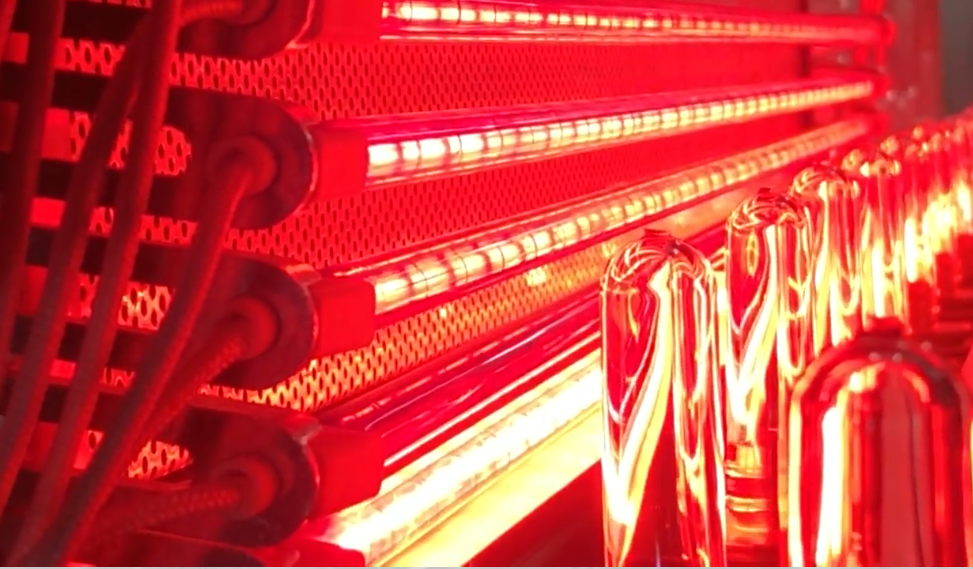
If your SIPA rotary blower is acting up, you know exactly how it looks. You get those annoying thin walls or that weird pearlescent shimmer in your bottles. Usually, it comes down to one thing: your heating isn’t even. A lot of the time, we find out a shop tried to save a few bucks with “generic” replacement lamps. They claim they fit, but the wattage or voltage is just slightly off. That’s where the trouble starts. The problem with “close enough” power Here’s the thing about heat stability—it’s all about the electrical load. When you pop in a lamp that doesn’t perfectly match the original specs, you change how the current flows. Suddenly, the heat isn’t hitting the preform where it should. Your PID controllers start fighting a losing battle against a mismatched load, and you end up with temperature swings that send your product straight into the scrap bin. We build our lamps to match the OEM power curve exactly. No guessing. No “almost.” Just the same voltage and wattage you started with, so your machine actually behaves itself. It’s not just about the light We use high-purity quartz glass because these lamps go through a beating. They heat up and cool down fast, and cheap glass just can’t handle that kind of shock. Then there are the connectors—the R7s or SK15 types. They aren’t just there to make the lamp stay put. They provide a tight mechanical grip. If a lamp shifts even a little because of the machine’s vibration, you get a hot spot at the terminal. That’s a one-way ticket to a burnt-out lamp. Getting it right on the floor The good news? These are total drop-in replacements. You won’t be spending your afternoon rewiring cabinets. But a quick word of advice: a new lamp can only do so much if your reflectors are filthy or pitted. If the mirrors are dirty, the heat won’t bounce correctly, no matter how powerful the lamp is. Do yourself a favor and clean those reflectors while you’re swapping the lamps. One last thing—if you’re pushing your power limits to squeeze out a faster cycle speed, keep an eye on your cooling blowers. You’re putting more heat into the oven, and you need to make sure your cooling system can actually keep up with that extra ambient warmth.