Getting Your Heating Right on KOSME and Husky HyPET Systems
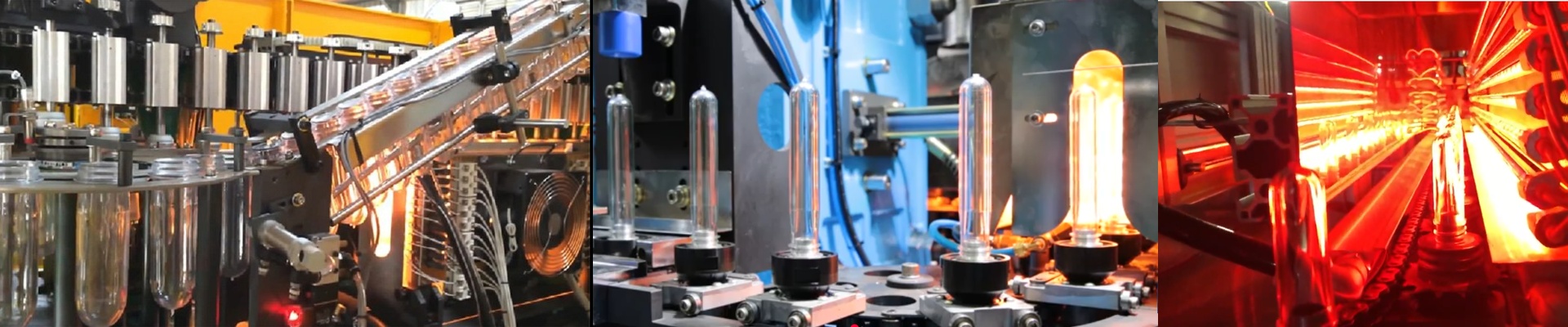
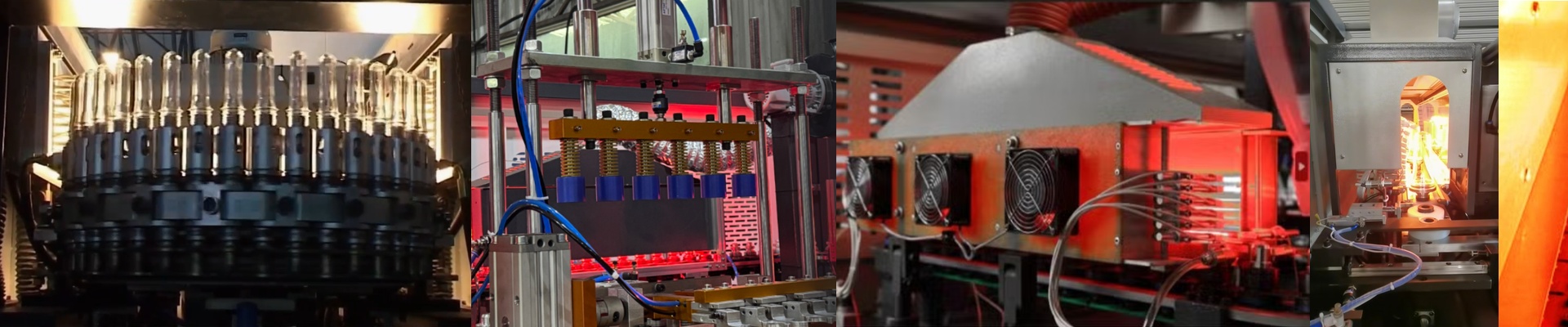
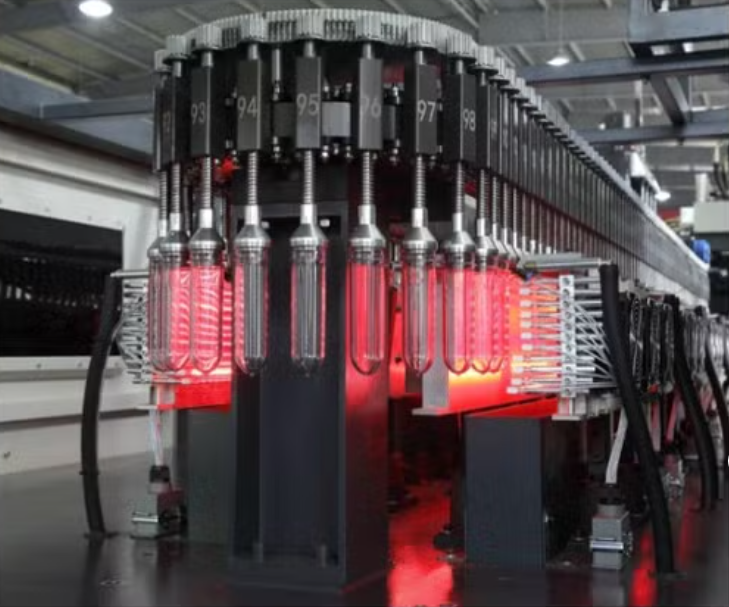
If you’re running high-speed Husky HyPET systems, you already know that just cranking up the wattage isn’t the answer. If you do that, you’ll probably scorch the surface of your PET preforms while the inside stays stubbornly cold. It’s a frustrating balance to strike. That’s why we built our replacement lamps for KOSME blowers differently. We focused on deep infrared penetration—basically, getting the heat to actually soak into the plastic rather than just bouncing off the skin. The secret is in the depth. Most standard lamps just cook the outside. You end up with “cold spots” that mess up your stretch-blow process and leave you with inconsistent bottles. We swapped in a specific quartz blend and a shortwave infrared emitter. This pushes the heat deep into the PET wall. It’s the difference between searing a steak and actually cooking it through. As for the hardware, we kept it simple. These are drop-in replacements. They fit the original KOSME footprint exactly, so you aren’t spending your afternoon fighting with alignment issues in the oven. We used high-temp quartz glass because thermal cycling is brutal on equipment, and we beefed up the connectors. No pitting, no arcing—just a solid electrical connection the first time you wire them up. A quick heads-up on the trade-offs. These lamps pack a serious punch. That heat density is exactly what you need for high-speed cycles, but it does put more pressure on your ventilation. Here’s the thing: if your cooling fans are clogged or just can’t keep up, the air inside the heating chamber is going to get way too hot. Before you know it, your preforms are warping before they even hit the mold. Keep your airflow clear. It’ll keep your bottles looking right and make your lamps last a lot longer. The best part? You can slide these into your current Husky HyPET setup without touching your power supply. It just works. When the heat penetrates evenly, your wall thickness stays consistent. That means way fewer rejects in the bin and a much smoother start to your production shifts.