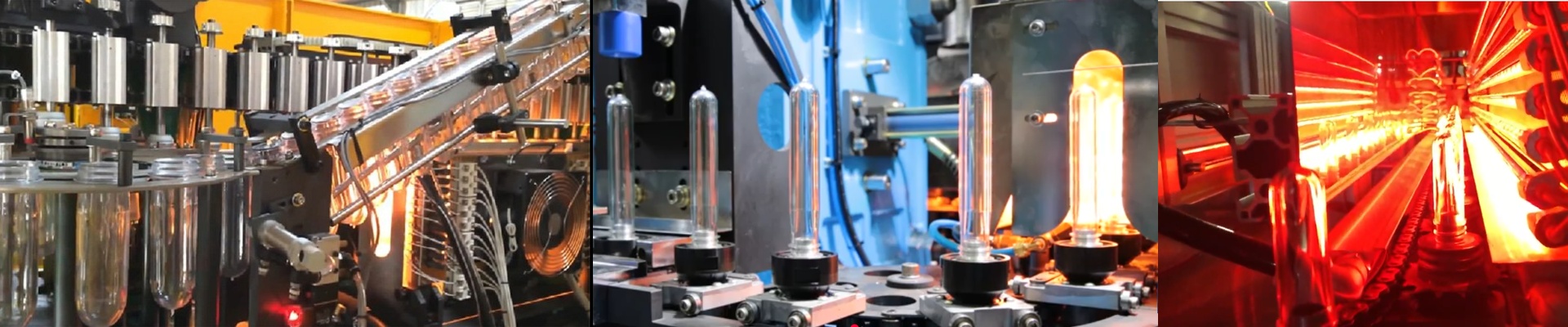
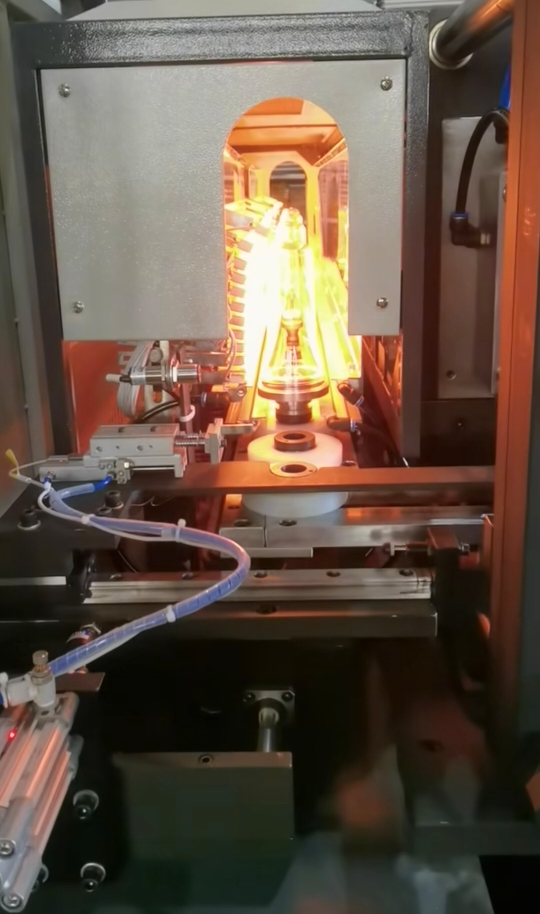
Stopping the Burn-out: Better IR Radiators for SIG Blomax Lines
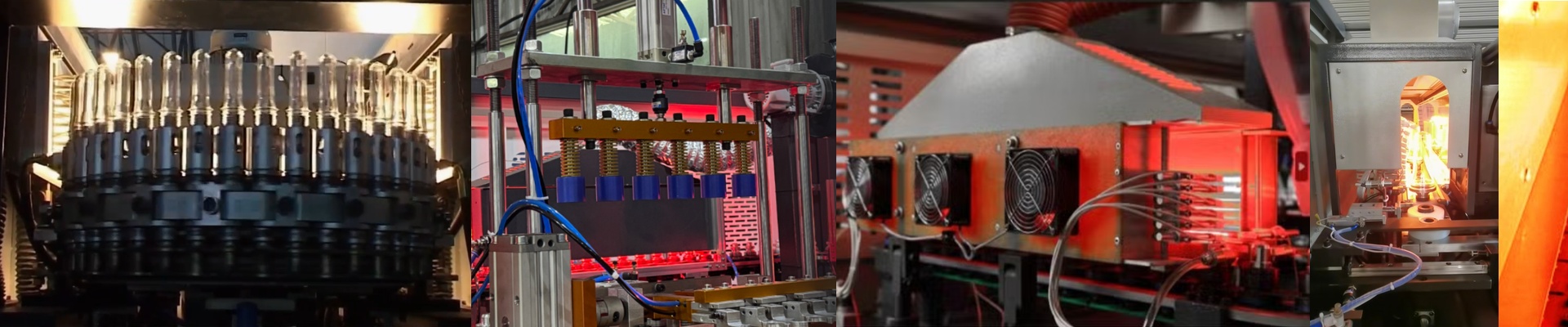
There is nothing worse than a SIG Blomax line grinding to a halt because a tube burned out. Again. If you’re seeing your radiators fail way before they should, it’s usually not bad luck. It’s structural stress or thermal shock. We’ve spent a lot of time figuring out why this happens, and we built our Sidel-compatible radiators to actually survive the chaos of a high-speed packaging floor.
Why they actually break
Most standard radiators give up the ghost at the pinch seal or the electrode interface. It’s a classic weak point. We’ve toughened up the build to stop that annoying tube breakage that happens during high-cycle runs. We tweaked the quartz glass thickness and the tension on the internal filaments. Why? Because the constant jumping from ice-cold to scorching hot wears metal and glass down. This version handles that fatigue much better. And don’t worry about the power. We matched the wattage and voltage to the SIG footprint exactly. Your PET preforms get the heat they need, but they won’t overshoot and ruin the batch.
The nitty-gritty on materials
We use high-purity quartz and some specific coatings to handle the IR spectrum. The goal is to get the heat into the material, not just scorch the surface. We also obsessed over the connectors. There’s nothing more frustrating than a loose contact causing arcing and killing a brand-new lamp. These fit tight. Plus, they’re a direct swap. Since the dimensions match the original Sidel parts, you can just pop them in. No messing around with brackets or rewriting your power supply settings.
A few things to keep in mind
Here’s the deal: because these tubes are reinforced, they handle heat a bit differently. You might notice the ramp-up time is slightly different than the OEM model. It’s not a big deal, but I’d suggest keeping an eye on your PID settings during the first few runs just to make sure your heat profile is where you want it. And a quick pro tip: check your cooling fans. If they’re clogged with dust and grime, it doesn’t matter how tough the lamp is—it’ll still overheat. Keep the air moving, and these things will last.