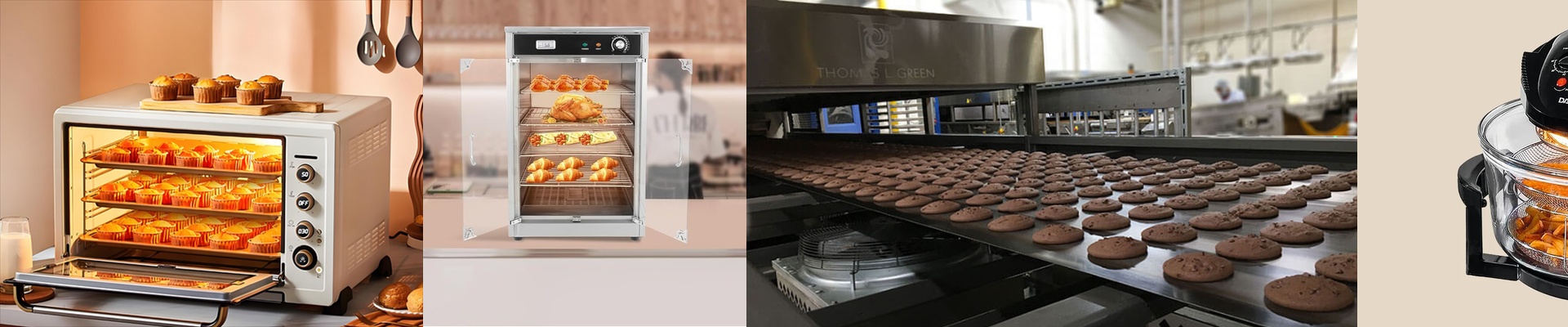
Stop Wasting Time Waiting for Your Oven to Heat Up
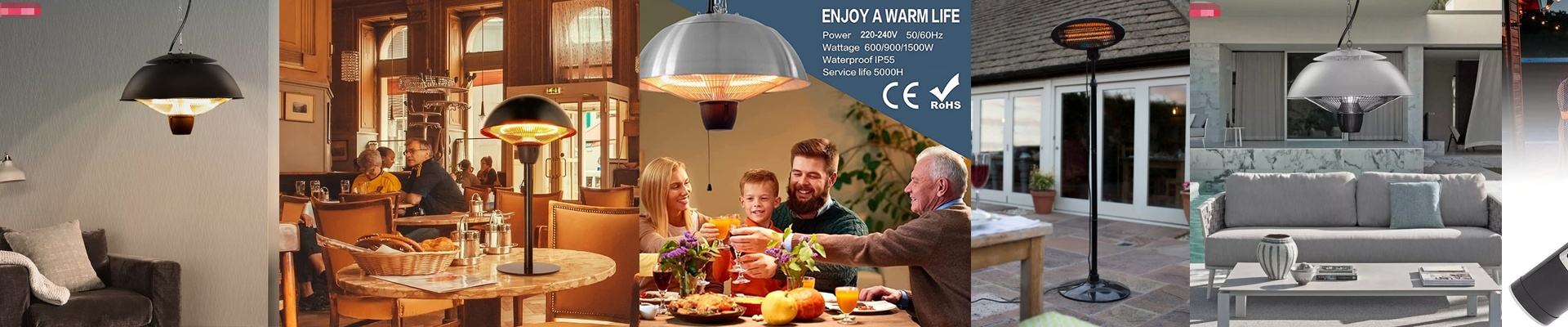
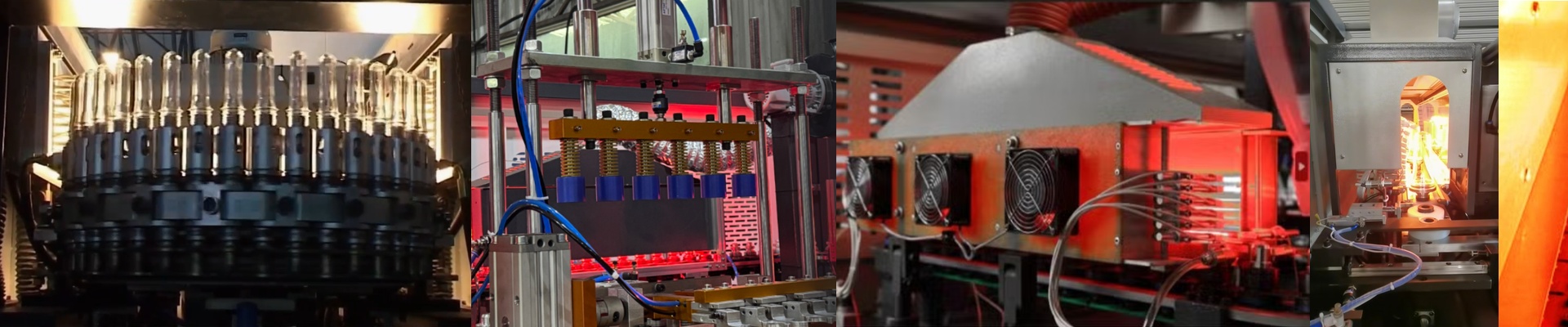
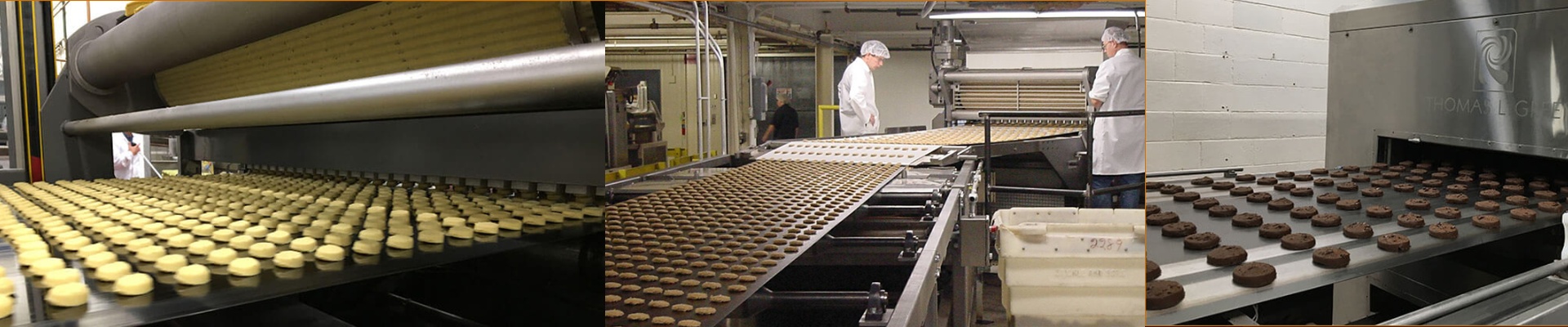
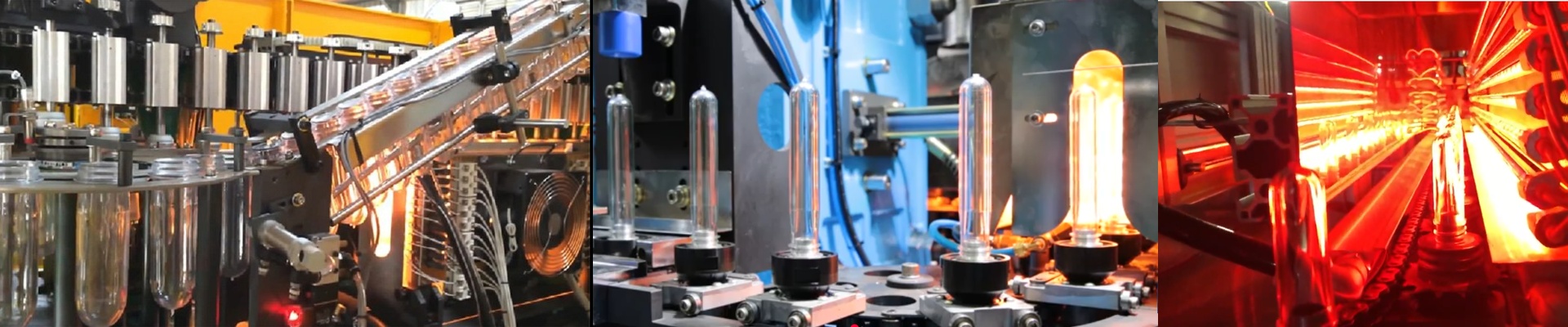
Let’s be honest: standing around waiting for a commercial oven to hit the right temperature is a drag. It’s a waste of your time, your staff’s energy, and your electricity bill. We decided to fix that. Instead of relying on the slow process of heating up the air inside the oven, our replacement infrared lamps go straight for the dough. It’s basically instant. You flip the switch, and you have heat. No more lagging, no more guessing. How it actually works Most ovens just warm up the air, which then warms up the walls, which eventually warms up the bread. It’s a long road. Our lamps use shortwave infrared technology. Think of it like the sun hitting your skin on a hot day—you feel it immediately. We use high-purity quartz glass so the heat shoots right through to the product. You aren’t wasting energy heating up the metal shell of your oven; you’re putting that energy exactly where it belongs. The nitty-gritty stuff You don’t need to buy a whole new oven to make this work. These are drop-in replacements. Whether you’re using R7s or SK15 connectors, they fit tight so you don’t have to worry about electrical arcing at the terminals. And since every kitchen is different, we calibrate the wattage based on your voltage—whether you’re running a standard 230V or a heavy-duty 400V setup. One little detail that makes a big difference: we fill these with halogen gas. It stops the tungsten filament from wearing out too fast, which means your lamps last longer and the heat stays steady even after thousands of uses. A few things to keep in mind These tubes pack a massive punch in a small space, but they need a little love to keep running well. Keep your reflectors clean. If they get greasy or oxidized, the heat bounces back into the lamp instead of onto the bread. That’ll overheat the quartz and kill the lamp way sooner than it should. Also, just double-check your controller. These lamps pull a lot of current the second they strike. If your power supply is too small, you’ll get voltage drops, and you won’t get the full power you’re paying for.